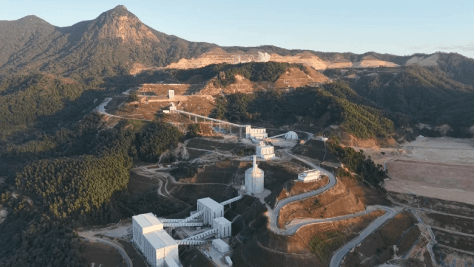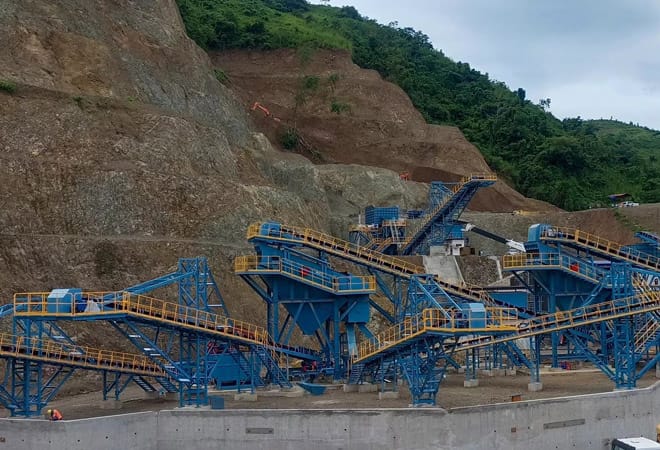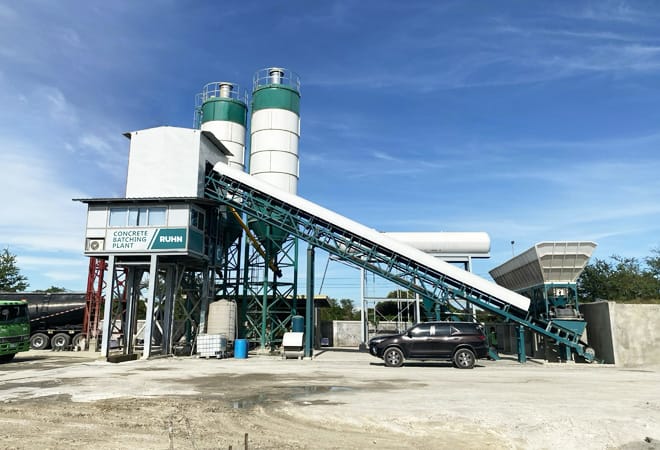
В горнодобывающей, карьерной и строительной отраслях производственные линии по дроблению и сортировке являются ключевыми системами, обеспечивающими непрерывное производство. Поскольку оборудование работает в режиме непрерывной эксплуатации в условиях высоких нагрузок и интенсивного износа, отсутствие систематического управления техническим обслуживанием может легко привести к выходу оборудования из строя, простоям и даже значительным убыткам.
Поэтому разработка научно обоснованного плана профилактического технического обслуживания имеет ключевое значение для обеспечения стабильности производства и сокращения эксплуатационных расходов.
Профилактическое техническое обслуживание — это осмотр, обслуживание и замена изнашиваемых деталей оборудования через установленные промежутки времени с целью предотвращения поломок.
Эта система поэтапного технического обслуживания эффективно обеспечивает долгосрочную и стабильную работу оборудования.
По сравнению с ‘ремонтом после выхода из строя’ профилактическое техническое обслуживание имеет очевидные преимущества:
В то же время современное оборудование производственных линий отличается сложностью, особенно мобильное дробильно-сортировочное оборудование; без мониторинга данных и управления техническим обслуживанием это может очень легко привести к снижению эффективности производства.
Регулярные проверки являются первой линией защиты в рамках профилактического технического обслуживания и должны проводиться в начале каждой смены.
Основные пункты проверки:
Кроме того, перед запуском необходимо провести предсменную проверку, которая должна охватывать систему смазки, систему подачи и систему пылеудаления, чтобы предотвратить работу оборудования в неисправном состоянии.
👉 Это тот аспект, который на объекте чаще всего упускают из виду, хотя он является самым важным.
Еженедельное техническое обслуживание:
Ежемесячное техническое обслуживание:
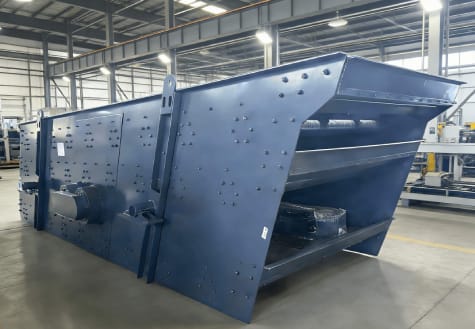
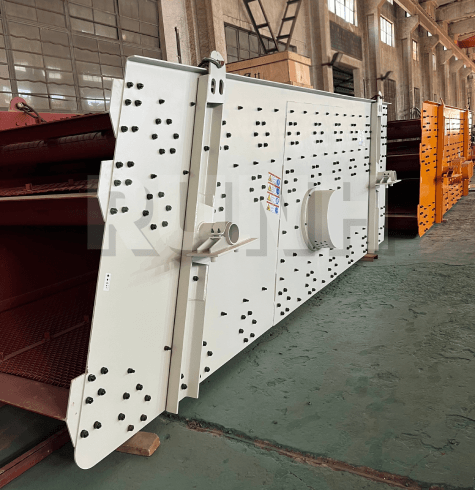
Например, дробильно-сортировочное оборудование Runhang отличается оптимизированной конструкцией, которая упрощает техническое обслуживание ключевых узлов, что способствует сокращению затрат на техническое обслуживание и времени простоя.
Ежегодное техническое обслуживание играет ключевую роль в обеспечении долгосрочной и стабильной работы оборудования. К нему в основном относятся:
Регулярные капитальные ремонты позволяют предотвратить эксплуатацию оборудования с неисправностями и помочь избежать серьезных поломок.
👉 Изменения в мощности являются ключевым показателем неисправности оборудования.
Если вы хотите узнать больше о вибрационных грохотах, ознакомьтесь со следующими материалами:
Распространенные проблемы с вибрационными грохотами и способы их устранения


Многие проблемы с оборудованием выявляются не только после того, как произошел сбой, но и из-за того, что изменения в динамике не отслеживались.
Мы рекомендуем уделить особое внимание следующим параметрам мониторинга:
Например, если время остановок изменяется после остановки оборудования, это может свидетельствовать о неисправности подшипников или нарушении выравнивания.
Для повышения эффективности технического обслуживания рекомендуется внедрить стандартизированную систему управления:
Профилактическое техническое обслуживание касается не только оборудования, но и управления:
Управление запасными частями:
Подготовка персонала:
Опытные операторы могут своевременно выявлять аномалии и предотвращать серьезные поломки.
Хотя профилактическое техническое обслуживание и сопряжено с дополнительными затратами, долгосрочные выгоды от него весьма значительны:
Если вы хотите узнать о затратах, связанных со всей производственной линией, ознакомьтесь со следующей информацией: Структура затрат на дробильную установку: оборудование, монтаж и эксплуатация
Профилактическое техническое обслуживание играет ключевую роль в обеспечении эффективной работы производственных линий по дроблению и сортировке. Внедрение систематической программы технического обслуживания позволяет достичь следующих результатов:
Как специализированный производитель строительной техники, Рунханг поставляет высокопроизводительное оборудование для дробления и сортировки, а также комплексные решения, помогающие клиентам обеспечить стабильное, эффективное и экологически устойчивое производство.