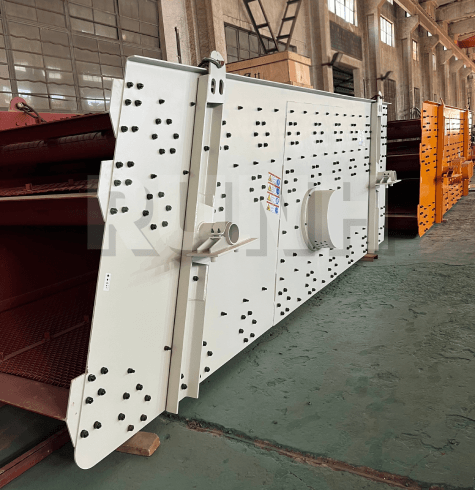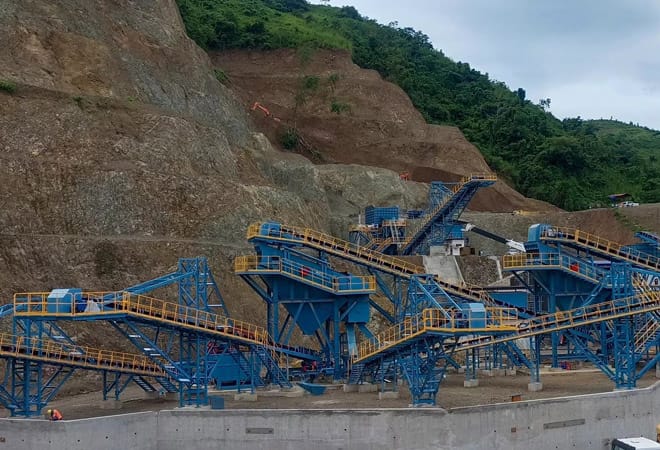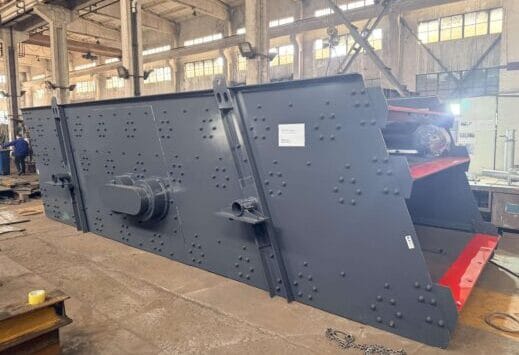
Un crible vibrant est l'un des équipements les plus importants d'une installation de concassage et de criblage. Il sert principalement à séparer les matériaux concassés en fonction de leur granulométrie et influe directement sur la qualité des granulats finis, la capacité de production et les coûts d'exploitation.
Les cribles vibrants fonctionnant grâce à des vibrations continues à haute fréquence, ces équipements sont exposés à des chocs constants dus aux matériaux, aux contraintes vibratoires, à la poussière et à l'usure par abrasion. Au fil du temps, des composants essentiels tels que les toiles de criblage, les roulements, les excitateurs, les ressorts et les éléments structurels peuvent s'user ou tomber en panne.
En l'absence d'un entretien adéquat, les problèmes liés aux cribles vibrants peuvent entraîner :
Il est donc essentiel de mettre en place un programme systématique d'entretien des cribles vibrants afin de garantir un fonctionnement fiable et de prolonger la durée de vie des équipements.
Cet article propose une liste de contrôle pratique pour l'entretien des cribles vibrants, couvrant les inspections quotidiennes, les tâches d'entretien hebdomadaires et les recommandations d'entretien périodique, afin d'aider les opérateurs à améliorer la fiabilité des équipements et à réduire les temps d'arrêt.
Lors de son fonctionnement, l'exciteur génère une force de vibration qui entraîne le caisson de criblage dans un mouvement continu, permettant ainsi aux matériaux de passer à travers la surface du tamis en fonction de la taille de leurs particules.
Parallèlement, les chocs répétés et les vibrations exercent une usure progressive sur les composants de l'équipement.
Parmi les facteurs courants qui accélèrent l'usure des cribles vibrants, on peut citer :
Un entretien régulier permet de :
Un programme d'entretien structuré doit inclure l'inspection des équipements, la lubrification, le remplacement des pièces d'usure et des contrôles réguliers des performances. Pour un programme d'entretien plus complet, consultez notre guide consacré à Plan de maintenance préventive pour les installations de concassage et de criblage.
Une attention particulière doit être accordée aux composants suivants lors de l'entretien d'un crible vibrant.
La grille de criblage est le principal élément fonctionnel d'un crible vibrant et constitue également l'une des pièces d'usure les plus fréquemment remplacées.
Vérifiez les points suivants :
Le colmatage des tamis, également appelé « aveuglement des tamis », peut réduire considérablement la capacité de tamisage et nuire à la qualité du produit final. Si ces problèmes surviennent de manière répétée, les opérateurs doivent également passer en revue les causes et les solutions évoquées dans Problèmes courants liés aux cribles vibrants et leurs solutions.
Recommandations d'entretien :
L'excitateur est le composant principal qui génère la force de vibration.
Vérifier :
Un excitateur endommagé ou mal entretenu peut entraîner une force de vibration insuffisante, ce qui se traduit par une efficacité de criblage médiocre.
Les paliers des cribles vibrants fonctionnent dans des conditions de vibrations à grande vitesse et de charges importantes, ce qui en fait des points d'entretien essentiels.
Vérifier :
Une lubrification insuffisante ou excessive peut réduire la durée de vie des roulements.
Des ressorts soutiennent le caisson de l'écran et absorbent les vibrations transmises à la structure porteuse.
Vérifier :
Des ressorts endommagés peuvent entraîner une instabilité dans le mouvement et accroître la contrainte exercée sur la structure de l'écran.
Les inspections quotidiennes permettent de repérer les problèmes potentiels avant qu'ils ne dégénèrent en pannes graves.
Pendant le fonctionnement, surveillez :
Si des anomalies sont détectées, arrêtez immédiatement l'équipement pour procéder à une inspection.
Une alimentation déséquilibrée peut entraîner :
Une bonne répartition du matériau est donc essentielle pour garantir la stabilité des performances de criblage. Dans une chaîne de production complète, le crible vibrant doit également être correctement adapté au concasseur, à l'alimentateur et au système de convoyage. En savoir plus sur Comment concevoir une installation de concassage et de criblage performante.
Vérifier :
La surface de l'écran est-elle obstruée ?
Si le matériau est réparti de manière homogène
Que des résidus s'accumulent ou non dans certaines zones
Une alimentation déséquilibrée peut entraîner :
Usure inégale de la toile
Augmentation de la charge sur les roulements
Baisse de l'efficacité du filtrage
Les vibrations continues peuvent progressivement desserrer les boulons et les raccords.
Vérifier :
Les pièces desserrées doivent être resserrées immédiatement en respectant le couple recommandé.
L'entretien hebdomadaire nécessite une inspection plus approfondie des composants essentiels.
Les tâches de maintenance comprennent :
Une lubrification adéquate permet d'éviter la surchauffe et la défaillance prématurée des roulements.
Vérifier :
Un système d'entraînement mal fixé ou endommagé peut nuire à la résistance aux vibrations et réduire l'efficacité du criblage.
Vérifier :
Pour les matériaux très abrasifs, tels que le granit ou le minerai de fer, les contrôles doivent être effectués plus fréquemment.
Pour les matériaux très abrasifs tels que le granit ou le minerai de fer, les contrôles doivent être effectués plus fréquemment. Le choix du tamis doit également tenir compte des caractéristiques du matériau et de la granulométrie finale requise, en particulier dans les processus de concassage en plusieurs étapes comprenant un concassage primaire et secondaire. Pour plus d'informations, voir Concassage primaire et concassage secondaire : quelle est la différence ??
L'entretien périodique doit porter principalement sur l'inspection des éléments structurels et le remplacement des pièces d'usure essentielles.
Des vibrations prolongées peuvent entraîner des dommages dus à la fatigue.
Vérifier :
Toute fissure ou déformation doit être réparée immédiatement.
Vérifiez régulièrement :
Des vibrations anormales peuvent indiquer des problèmes au niveau :
Remplacer les composants en fonction des conditions réelles d'exploitation :
Le remplacement des pièces usées avant qu'elles ne tombent en panne permet d'éviter les arrêts imprévus.
Les matériaux humides ou contenant de l'argile peuvent facilement obstruer les mailles du tamis.
Conséquences possibles :
Ajouter trop de graisse n'améliore pas les performances.
Une lubrification excessive peut entraîner :
N'effectuez jamais d'opérations d'entretien lorsque le crible vibrant est en marche.
Les activités interdites sont les suivantes :
Veillez à toujours mettre l'équipement hors tension et à le débrancher du secteur avant toute opération d'entretien.
Les cribles vibrants sont généralement associés à des convoyeurs à bande, des concasseurs et des alimentateurs. Par conséquent, l'entretien ne doit pas se limiter au crible lui-même. Les opérateurs doivent également respecter les consignes appropriées Consignes de sécurité à l'intention des opérateurs de convoyeurs à bande lors de l'inspection ou de l'entretien des équipements de manutention raccordés.
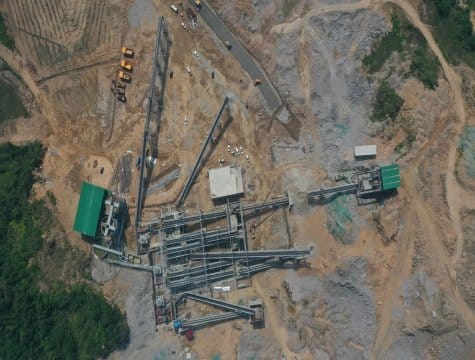
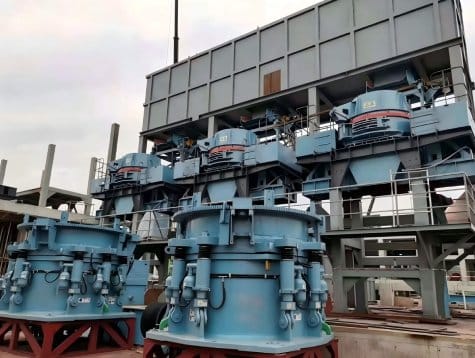
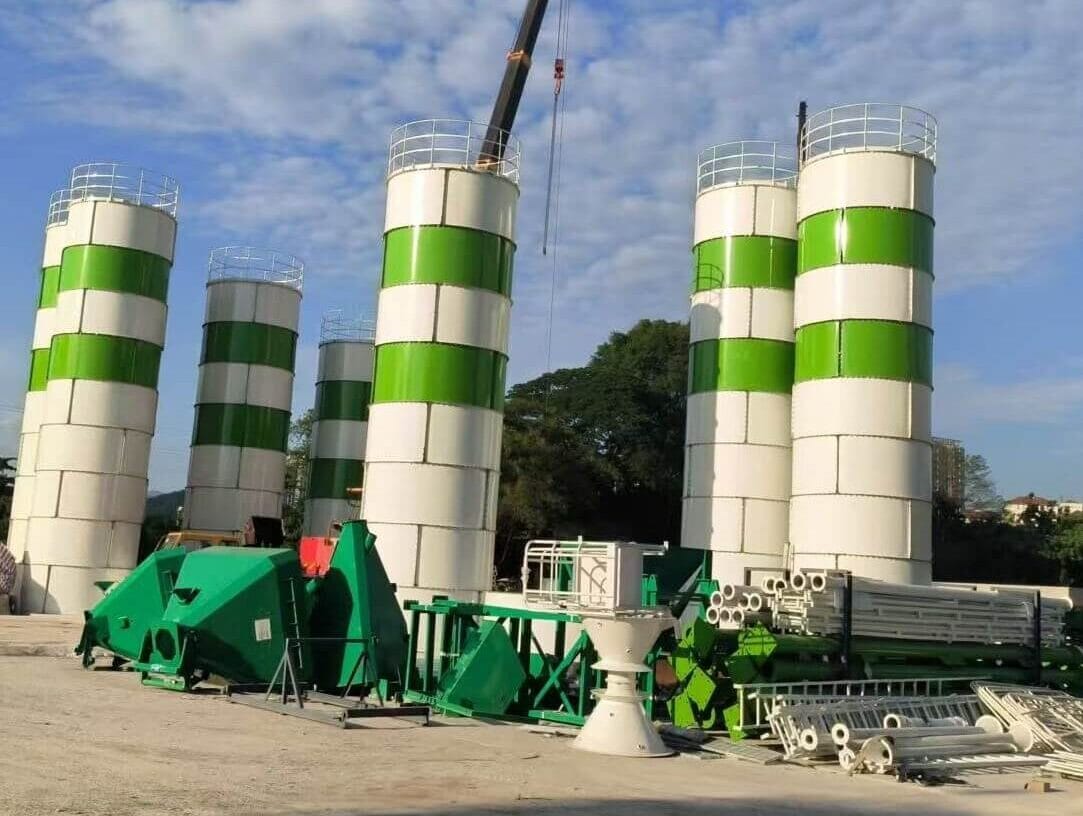
Runhang propose des solutions complètes de concassage et de criblage destinées aux secteurs minier, des granulats, du recyclage des déchets de construction et des matériaux de construction.
Notre gamme d'équipements comprend :
En fonction des différents matériaux, des exigences de production et des conditions sur site, Runhang propose des solutions de criblage sur mesure, avec une configuration optimisée des équipements, des composants résistants à l'usure et une assistance technique.
Grâce à des procédures d'entretien adaptées, à des inspections régulières et au remplacement en temps opportun des composants clés, les clients peuvent améliorer l'efficacité du criblage, réduire les coûts d'exploitation et garantir une production stable à long terme.
L'entretien des cribles vibrants ne se résume pas à un simple entretien courant des équipements ; il constitue également un élément essentiel pour garantir la fiabilité de l'ensemble d'une installation de concassage et de criblage.
En suivant un programme d'entretien structuré, comprenant des inspections quotidiennes, un entretien hebdomadaire et des contrôles périodiques des composants, les opérateurs peuvent détecter rapidement les problèmes potentiels, réduire les temps d'arrêt, améliorer les performances de criblage et prolonger la durée de vie des équipements.
Dans le cadre des projets d'exploitation minière et de production de granulats, associer des équipements fiables à des pratiques de maintenance fondées sur des données scientifiques est essentiel pour garantir une exploitation plus sûre, plus efficace et plus économique.