CAS

Concrete Batching Plant Maintenance Checklist: Daily, Weekly, and Monthly Tasks

Release Time: 2026-07-15
Read: 97
Partager :

Concrete batching plants operate under demanding conditions, continuously performing batching, conveying, mixing, and discharging. Without proper maintenance, equipment failures can lead to production downtime, inconsistent concrete quality, higher repair costs, and project delays.

A preventive maintenance program helps identify potential issues before they become major problems. Regular inspections and scheduled maintenance not only extend equipment service life but also improve production efficiency and reduce operating costs.

This article provides a practical daily, weekly, and monthly maintenance checklist to help you keep your concrete batching plant operating safely, efficiently, and reliably.

Why Is Regular Maintenance Important?

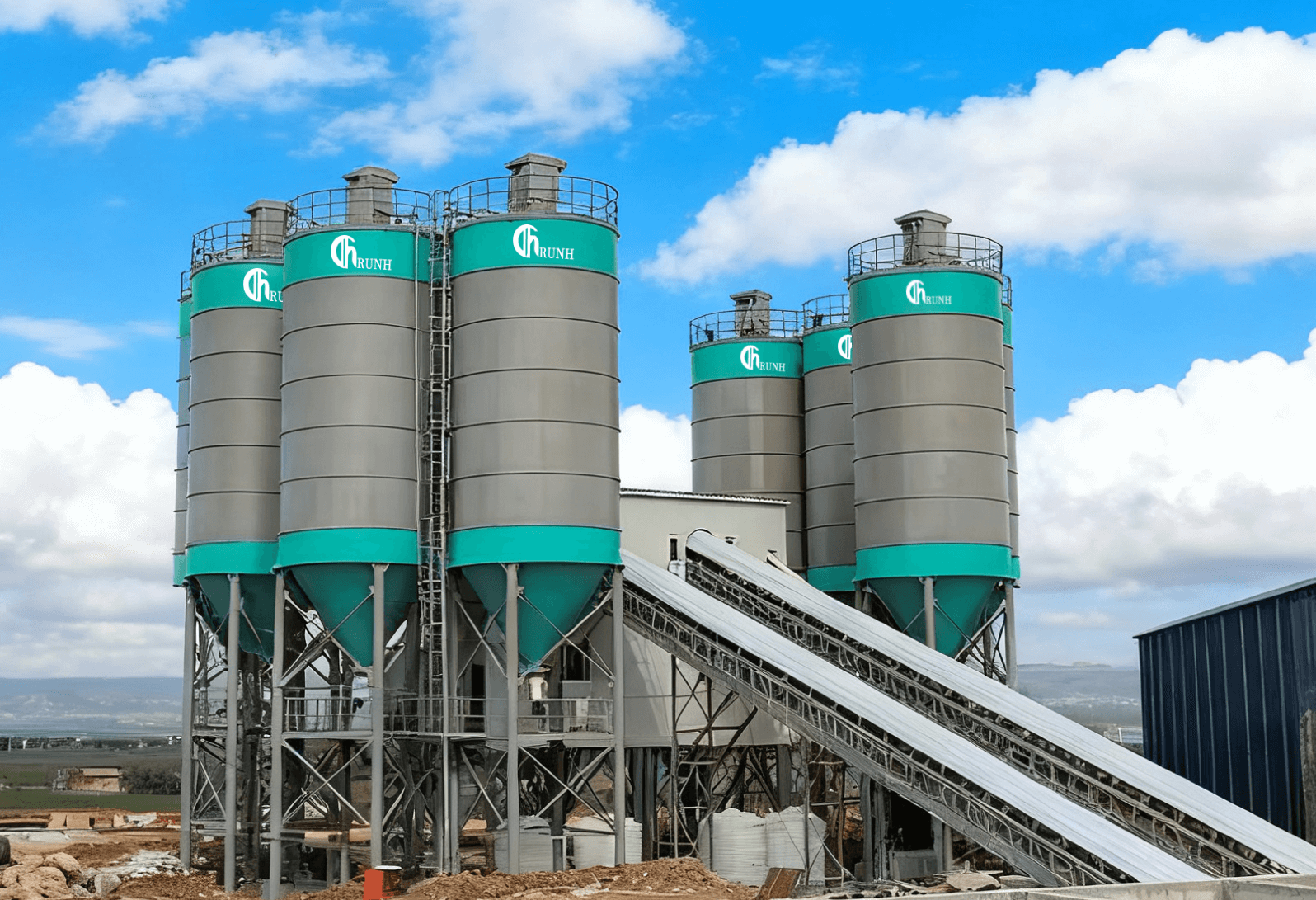
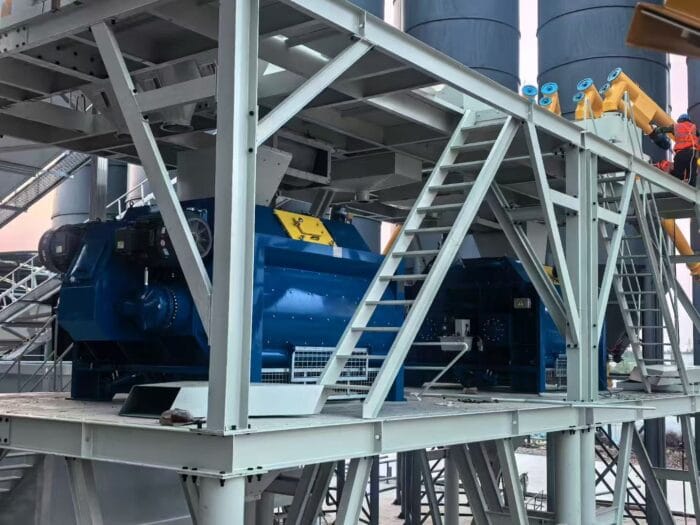
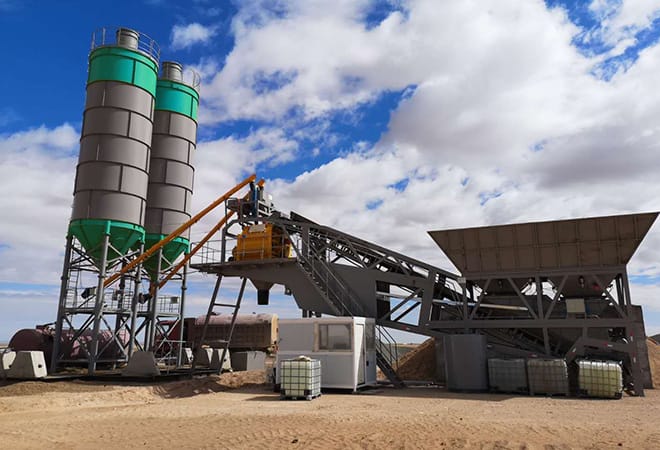
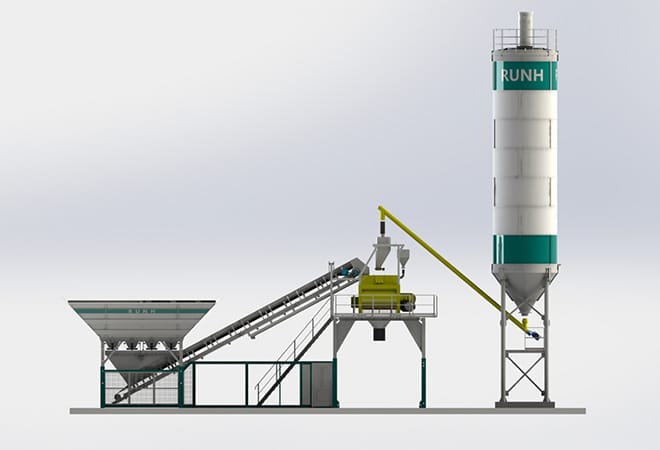
A concrete batching plant consists of several key systems, including the concrete mixer, aggregate batching machine, belt conveyor, cement silo, screw conveyor, weighing system, dust collector, and electrical control system. A failure in any one of these components can affect the entire production process.

Regular maintenance helps you:

  • Reduce equipment failures and unplanned downtime
  • Maintain accurate concrete batching and consistent product quality
  • Extend the service life of equipment and wear parts
  • Lower maintenance and operating costs
  • Improve production efficiency and workplace safety

Related Reading: Quels sont les facteurs qui influent sur la qualité du béton dans une centrale à béton ?

Daily Maintenance Checklist

Daily inspections should be carried out before startup, during operation, and after shutdown.

Before Startup

Before starting the batching plant, check the following:

  • Inspect the mixer for hardened concrete or foreign objects.
  • Check the lubrication system and oil level.
  • Ensure the air and water supply systems are operating normally.
  • Inspect the belt conveyor for belt misalignment and smooth idler rotation.
  • Check that the screw conveyor operates smoothly.
  • Verify the weighing system and sensors are functioning correctly.
  • Test the emergency stop button and safety guards.
  • Perform a no-load test run before production.

Related Reading: What Is a Screw Conveyor and How Does It Work?

During Operation

Monitor the following during production:

  • Abnormal noise or vibration from motors and gearboxes
  • Bearing temperature
  • Oil or air leaks
  • Mixing performance and discharge condition
  • Belt tracking and material spillage
  • Stability of weighing data

If any abnormal condition is detected, stop the equipment immediately for inspection.

After Shutdown

At the end of each working day:

  • Clean the mixer drum and discharge gate.
  • Remove material buildup from the belt conveyor.
  • Flush the water and admixture pipelines.
  • Inspect mixing blades and liners for wear.
  • Clean the surrounding work area.

Keeping equipment clean helps prevent premature wear and improves operating efficiency.

Related Reading: How to Choose the Right Belt Cleaner

Weekly Maintenance Checklist

Weekly maintenance focuses on lubrication, calibration, and inspection of wear components.

Recommended tasks include:

  • Lubricate all required components.
  • Inspect mixer blades and liners for wear.
  • Tighten loose bolts and fasteners.
  • Check the gearbox, couplings, and drive system.
  • Inspect the air compressor and pneumatic system.
  • Clean the dust collector filters.
  • Calibrate aggregate, cement, water, and admixture weighing systems.

Regular calibration ensures accurate batching and helps reduce material waste.

Monthly Maintenance Checklist

A comprehensive inspection should be carried out at least once a month.

Mixing System

  • Inspect the main shaft, bearings, and shaft seals.
  • Check the wear condition of blades and liners.
  • Replace worn parts if necessary.

Conveyor System

  • Inspect belt tension and belt joints.
  • Check pulleys, idlers, and belt cleaners.
  • Correct belt misalignment if necessary.

Related Reading: Belt Conveyor Types and Applications

Cement Silo and Screw Conveyor

Inspect:

  • Silo-top dust collector
  • Pressure relief valve
  • Level indicators
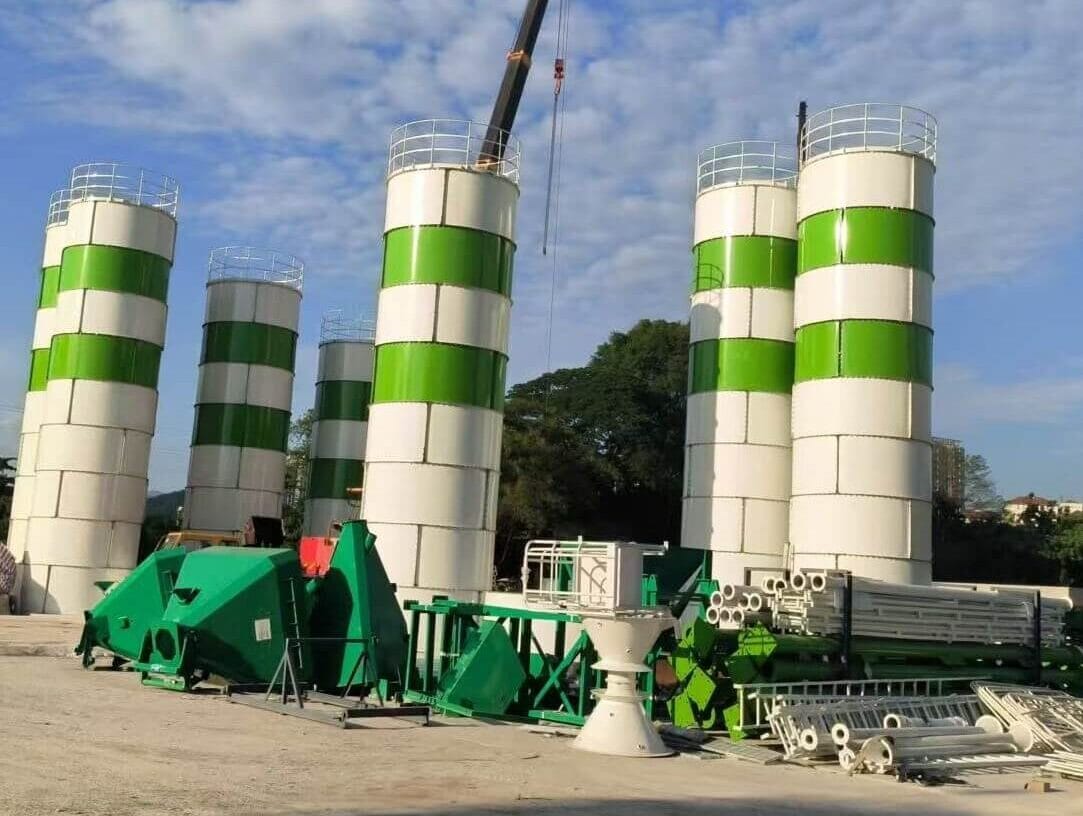
  • Silo structure and welds
  • Screw conveyor wear

Related Reading: Common Cement Silo Problems and Solutions

Electrical Control System

  • Inspect PLC and control cabinet.
  • Check cables and electrical connections.
  • Test sensors and limit switches.
  • Verify stable system operation.

Keep Maintenance Records

Maintaining inspection records helps identify recurring problems and improve maintenance planning.

Inspection Item Daily Weekly Monthly
Lubrication System
Mixer
Convoyeur à bande
Convoyeur à vis
Cement Silo
Weighing System
Dust Collector
Electrical System

Recording inspection results also helps schedule preventive maintenance more effectively.

Runhang Maintenance Recommendations

Runhang recommends establishing a preventive maintenance program that combines daily inspections, weekly servicing, and monthly comprehensive inspections.

In addition to supplying concrete batching plants, Runhang also provides:

  • Concrete mixers
  • Cement silos
  • Screw conveyors
  • Belt conveyors
  • Dust collection systems
  • Spare parts and technical support

With proper maintenance and timely replacement of wear parts, customers can reduce equipment failures, improve production efficiency, and maximize the service life of their batching plants.

Conclusion

Regular maintenance is essential for ensuring the safe, stable, and efficient operation of a concrete batching plant. By following a standardized daily, weekly, and monthly maintenance schedule, operators can minimize unexpected downtime, improve concrete quality, extend equipment service life, and reduce operating costs.

Preventive maintenance is a small investment that delivers significant long-term benefits, helping your batching plant achieve reliable performance and maximum productivity.

En fonction de votre situation concrète, nous élaborerons pour vous une solution d'investissement adaptée.
En fonction des besoins du marché local, nous aiderons les utilisateurs à choisir la catégorie de produits qui leur convient.
En fonction des besoins de production et de l'ampleur de l'investissement, nous aiderons les utilisateurs à choisir l'équipement le mieux adapté.

Si vous recherchez des produits similaires ou si vous avez d'autres questions, n'hésitez pas à nous contacter.
Vous avez d'autres questions à nous poser ? Demandez directement à nos experts !
Demander un devis rapide
Nous pouvons garantir à nos clients des prix et des services d'une qualité irréprochable.


    Demander un devis rapide
    Nous pouvons garantir à nos clients des prix et des services d'une qualité irréprochable.


      Obtenir un devis
      ×

      Demander un devis