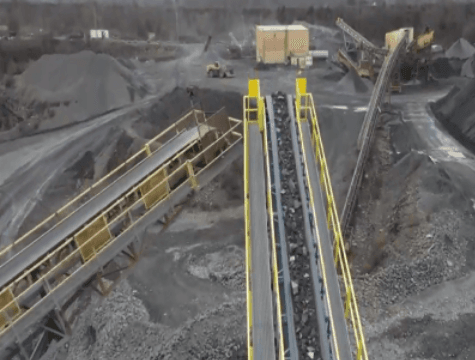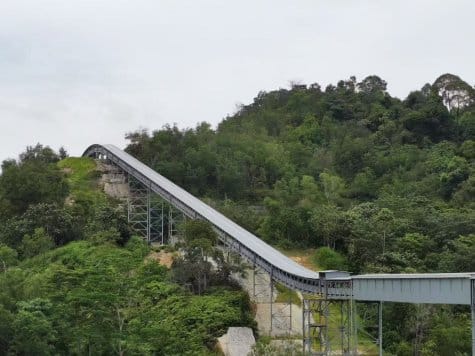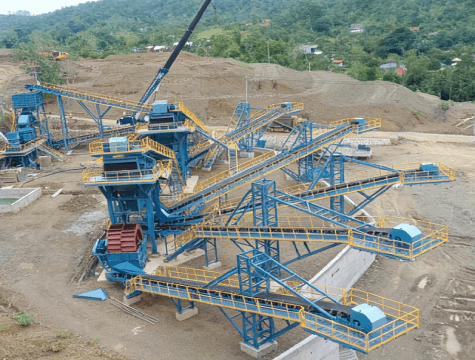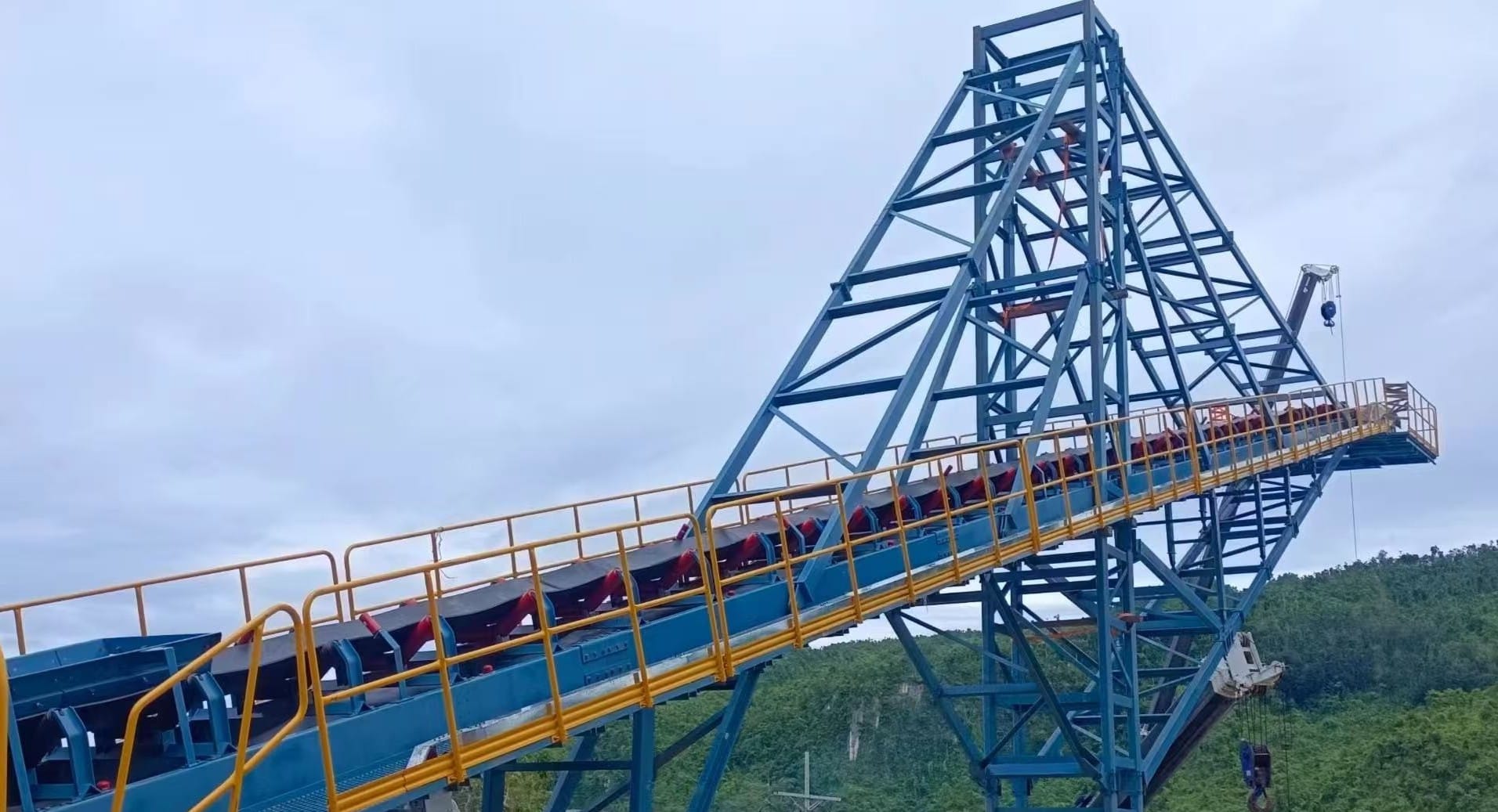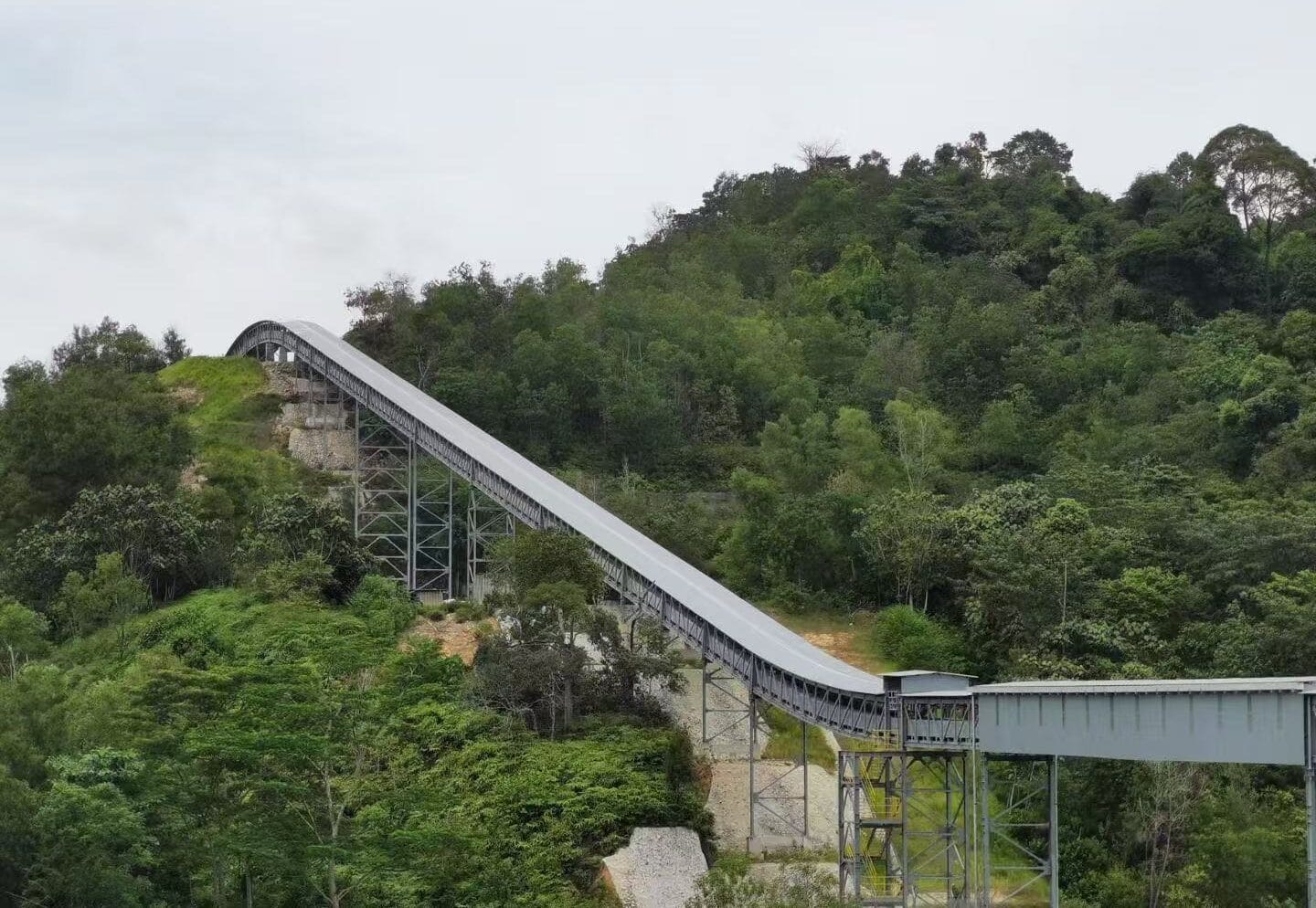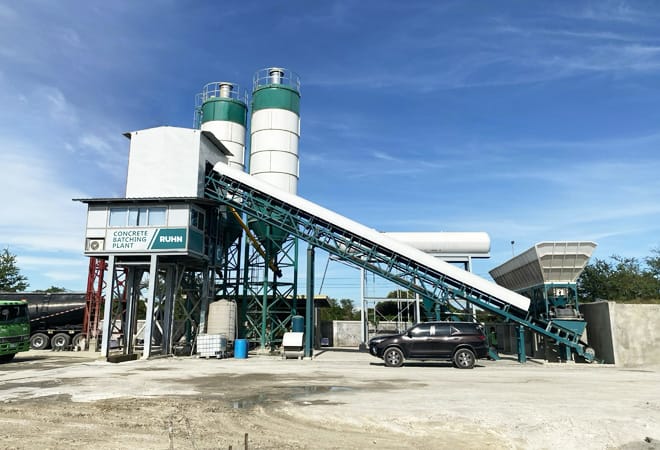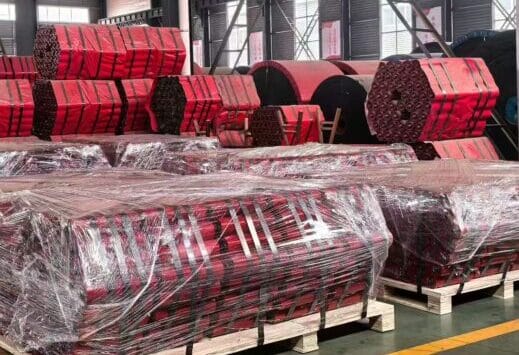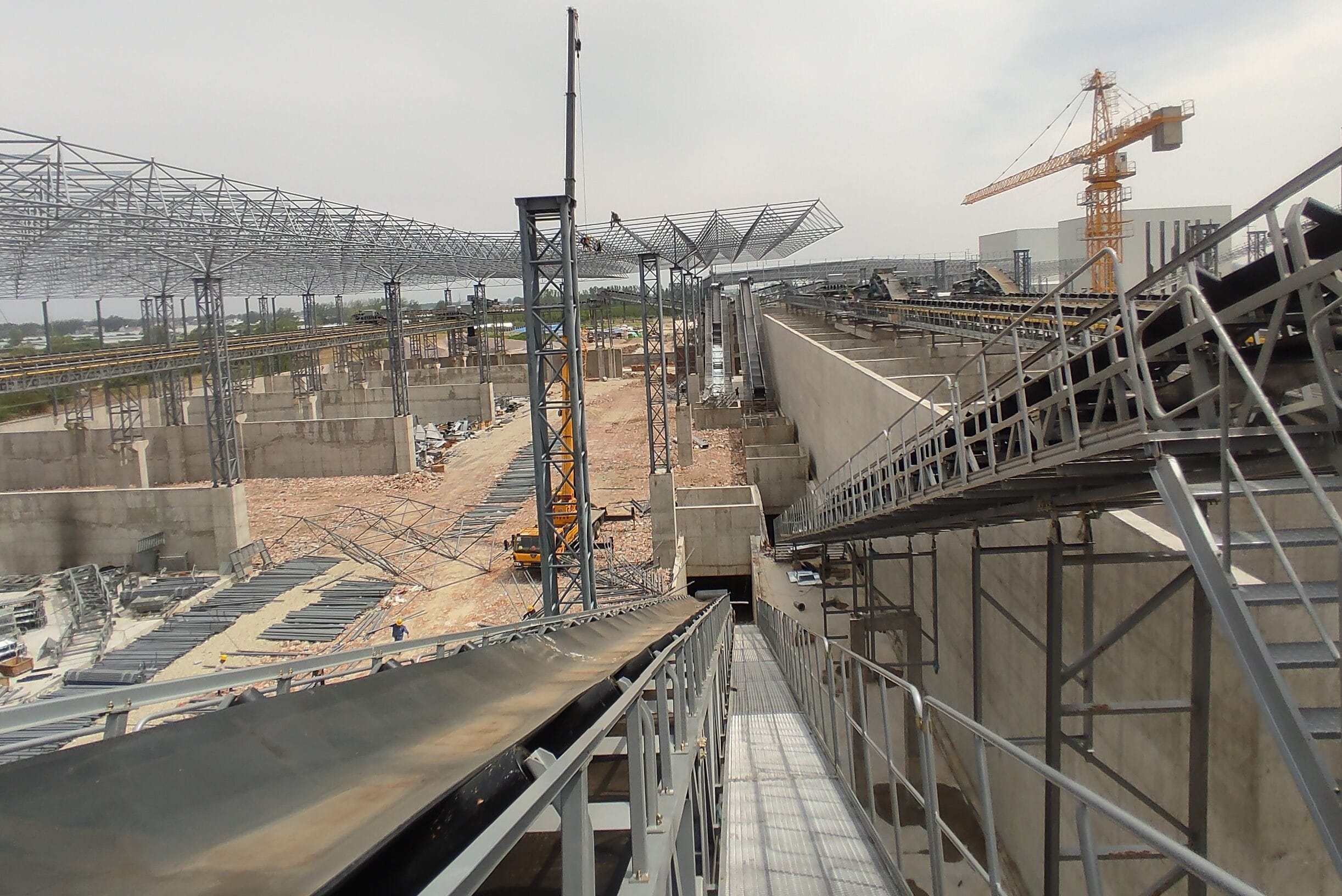
Belt conveyors are widely used in mining, sand and gravel aggregate production, construction, ports, and industrial facilities. They provide continuous and reliable material transportation and play an important role in connecting feeding, crushing, screening, and stockpiling processes in crushing and screening plants.
Because belt conveyors often operate continuously for long periods, components such as the conveyor belt, idlers, pulleys, belt cleaners, bearings, gearbox, and tensioning system are subject to continuous wear and operating loads. Without proper maintenance, problems such as belt misalignment, belt slippage, material spillage, damaged idlers, and unexpected downtime may occur.
Therefore, establishing a comprehensive Belt Conveyor Maintenance Checklist and inspecting key components on a daily, weekly, and periodic basis can help reduce unexpected downtime, extend equipment service life, and maintain stable conveying performance.
Although a belt conveyor has a relatively simple structure, it is continuously exposed to material impact, friction, vibration, dust, and other operating conditions.
Common problems include:
Regular preventive maintenance helps identify minor problems before they develop into major equipment failures.
Холбогдох уншлага: Бүтээх, шигших үйлдвэрүүдийн урьдчилан сэргийлэх засвар үйлчилгээний төлөвлөгөө
Daily inspections are mainly intended to identify obvious abnormalities before they lead to equipment failure.
Before startup and during operation, check whether the conveyor belt has:
If serious belt damage is found, stop the conveyor and inspect the cause before continuing operation.
Idlers are among the most numerous wear components in a belt conveyor and remain in continuous contact with the moving belt.
Check whether:
A seized or damaged idler increases friction against the conveyor belt and may accelerate belt wear or cause localized overheating.
Pay particular attention to the drive pulley and bend pulleys.
Check whether:
Material buildup around pulleys should be removed promptly to prevent belt tracking problems and excessive wear.
Belt misalignment can cause material spillage and accelerate wear along the belt edges.
Observe whether:
If persistent misalignment occurs, inspect the idlers, pulleys, conveyor frame, loading conditions, and tensioning system rather than simply adjusting the belt repeatedly.
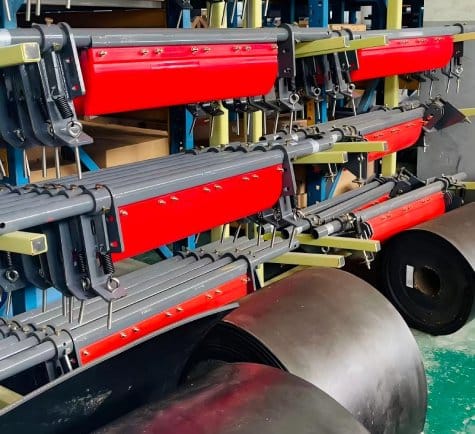
A belt cleaner removes residual material from the conveyor belt after discharge.
Check whether:
A severely worn belt cleaner should be adjusted or replaced promptly.
Холбогдох уншлага: How to Choose a Belt Cleaner
Weekly maintenance should include a more detailed inspection of the drive, tensioning, lubrication, and connection components.
The tensioning system maintains the appropriate tension in the conveyor belt.
Шалгах:
Insufficient tension may cause belt slippage, while excessive tension can increase the load on the belt, pulleys, and bearings.
Шалгах:
If the motor temperature rises abnormally or the gearbox produces unusual noise, stop the equipment for further inspection.
Inspect bearings used in pulleys, drive assemblies, and other critical components.
Maintenance should include:
Checking bearing temperature
Use the specified lubricant and avoid over-lubrication, which can also contribute to bearing problems.
Continuous vibration can cause bolts and structural connections to loosen over time.
Тод анхаарал хандуулаарай:
Any loose fasteners should be tightened promptly according to the equipment manufacturer’s specifications.
In addition to daily and weekly inspections, periodic maintenance should be scheduled according to operating hours, material characteristics, environmental conditions, and the manufacturer’s recommendations.
Belt splices are critical areas that require regular inspection.
Check whether:
For long-distance or heavy-duty conveyors, belt splice inspections should be performed more frequently.
Шалгах:
对于处理大型或高密度物料的输送机,结构部件应特别注意。
定期检查:
即使传送带的机械部件运转正常,任何安全装置的失效都可能造成重大的安全隐患。
有些用户在发现传送带磨损过度时会更换传送带,但却忽略了损坏或卡死的托辊。
卡死的惰轮会不断增加与皮带的摩擦力,加速皮带磨损,并可能导致局部过热。
皮带错位可能由多种因素造成,包括:
因此,在进行反复跟踪调整之前,应该先找出根本原因。
滑轮、托辊和输送机框架周围积聚的物料会导致:
因此,应保持传送带和周围工作区域清洁,并及时清除洒落的物料。
以下清单可作为基本维护参考:
| 检查项目 | 日常的 | 每周 | 周期性 |
| 传送带磨损 | ✓ | ✓ | ✓ |
| 皮带对齐 | ✓ | ✓ | ✓ |
| 怠速状态 | ✓ | ✓ | ✓ |
| 滑轮状况 | ✓ | ✓ | ✓ |
| 皮带清洁器 | ✓ | ✓ | ✓ |
| 张紧系统 | ✓ | ✓ | |
| 发动机 | ✓ | ✓ | ✓ |
| 变速箱 | ✓ | ✓ | |
| 轴承润滑 | ✓ | ✓ | |
| 螺栓和连接件 | ✓ | ✓ | |
| 皮带接头 | ✓ | ||
| 输送机框架和结构 | ✓ | ||
| 安全防护装置 | ✓ | ✓ |
实际维护频率应根据输送机型号、运行时间、输送物料、工作环境和制造商的维护要求进行调整。
除了定期检查外,以下措施有助于减少设备磨损并延长使用寿命。
避免长时间超负荷运转,并确保物料均匀地送入传送带。
张力不足会导致皮带打滑,而张力过大会增加皮带、皮带轮和轴承的负荷。
当托辊、皮带清扫器和传送带等易损件达到其允许磨损极限时,应予以更换。
定期清除滑轮、托辊和输送机框架周围溢出的物料和积聚物,以防止干扰正常操作。
记录检查日期、发现的问题、更换的部件和维护活动。随着时间的推移,这些记录有助于识别设备运行趋势,并支持制定更有效的预防性维护计划。
润航为采矿、砂石骨料、建筑、港口、水泥和其他散装物料处理应用提供皮带输送设备和输送系统解决方案。
根据输送距离、物料特性、输送能力和现场条件,润航可提供多种输送解决方案,包括:
润航还提供配套组件和技术服务,帮助客户开发高效可靠的输送系统。
相关阅读:皮带输送机的类型和应用
皮带输送机的维护不应仅在设备发生故障后才开始。相反,应将日常检查、每周维护和定期保养 结合起来,以便及早发现潜在问题。
应特别注意输送带、托辊、滑轮、清扫器、张紧系统、轴承、齿轮箱、结构部件和安全防护装置。
对于采矿和骨料加工等连续生产应用,标准化的皮带输送机维护检查清单,结合正确的操作和预防性维护,可以有效减少设备故障和计划外停机时间,同时有助于保持输送机的高效稳定性能。