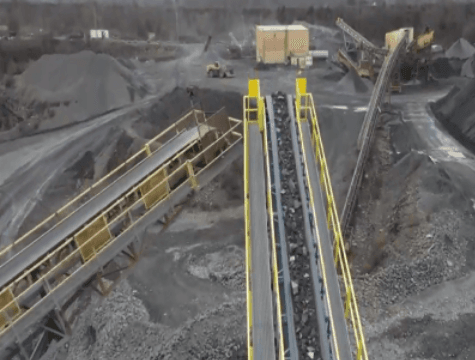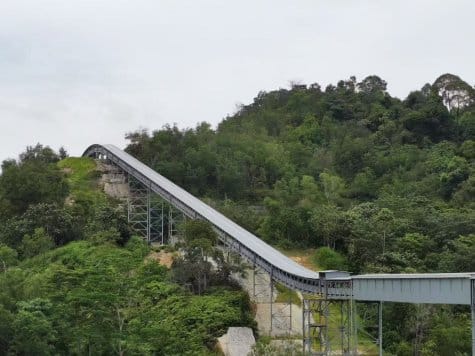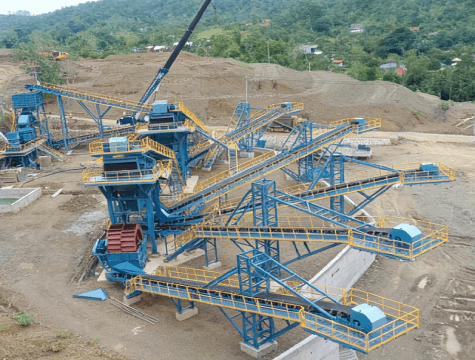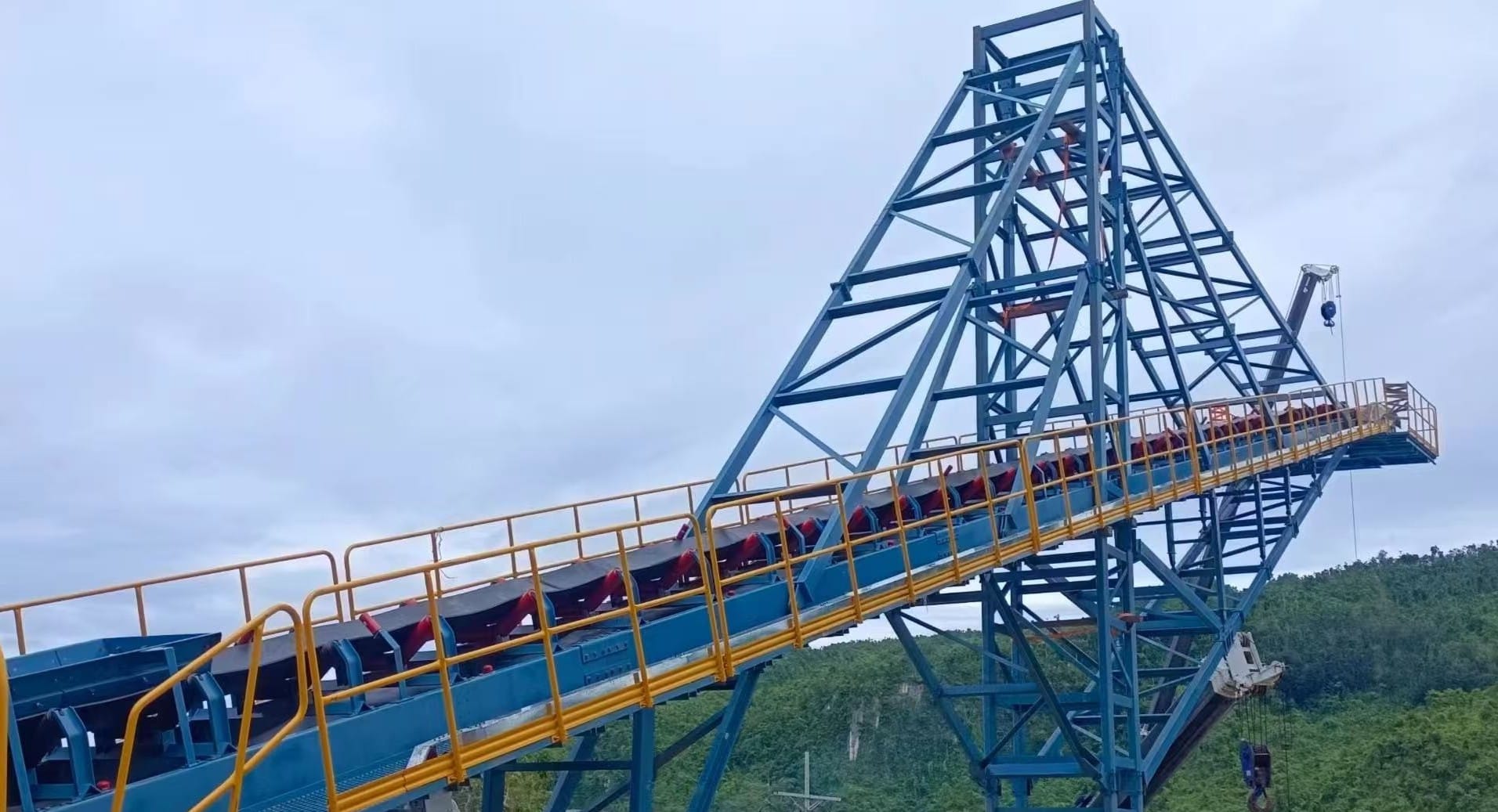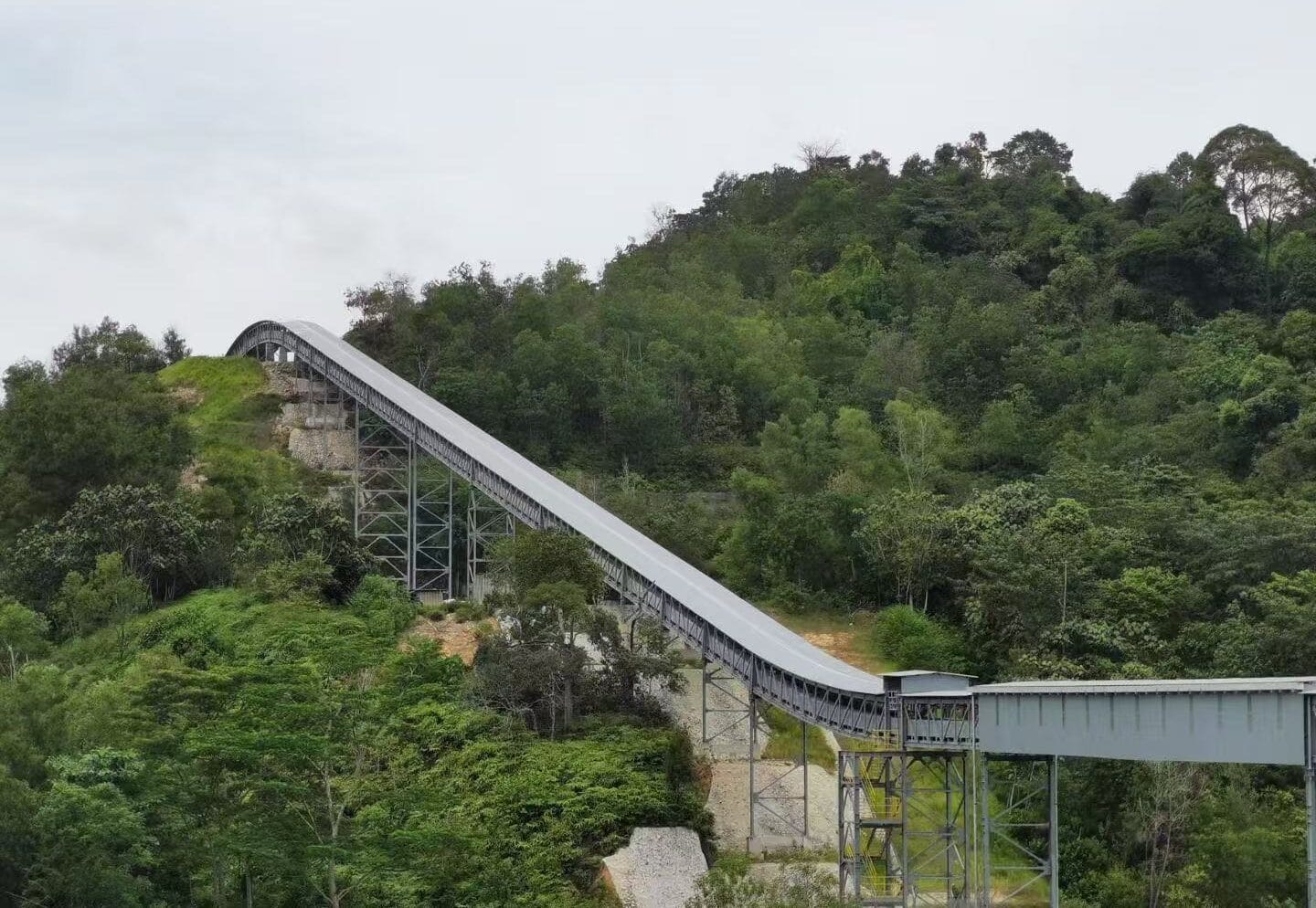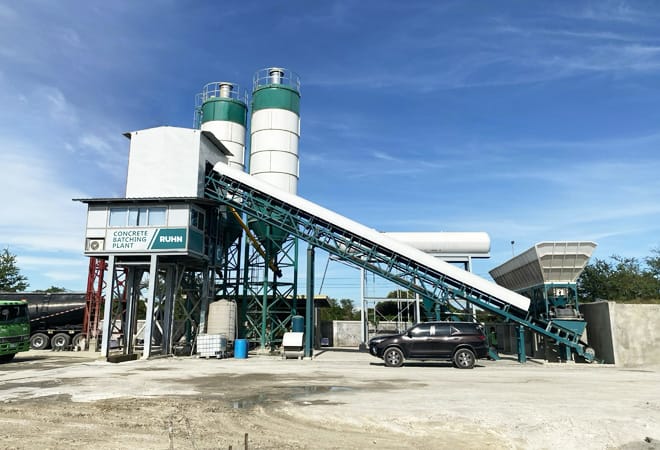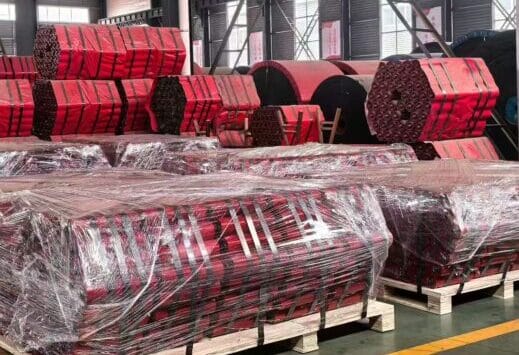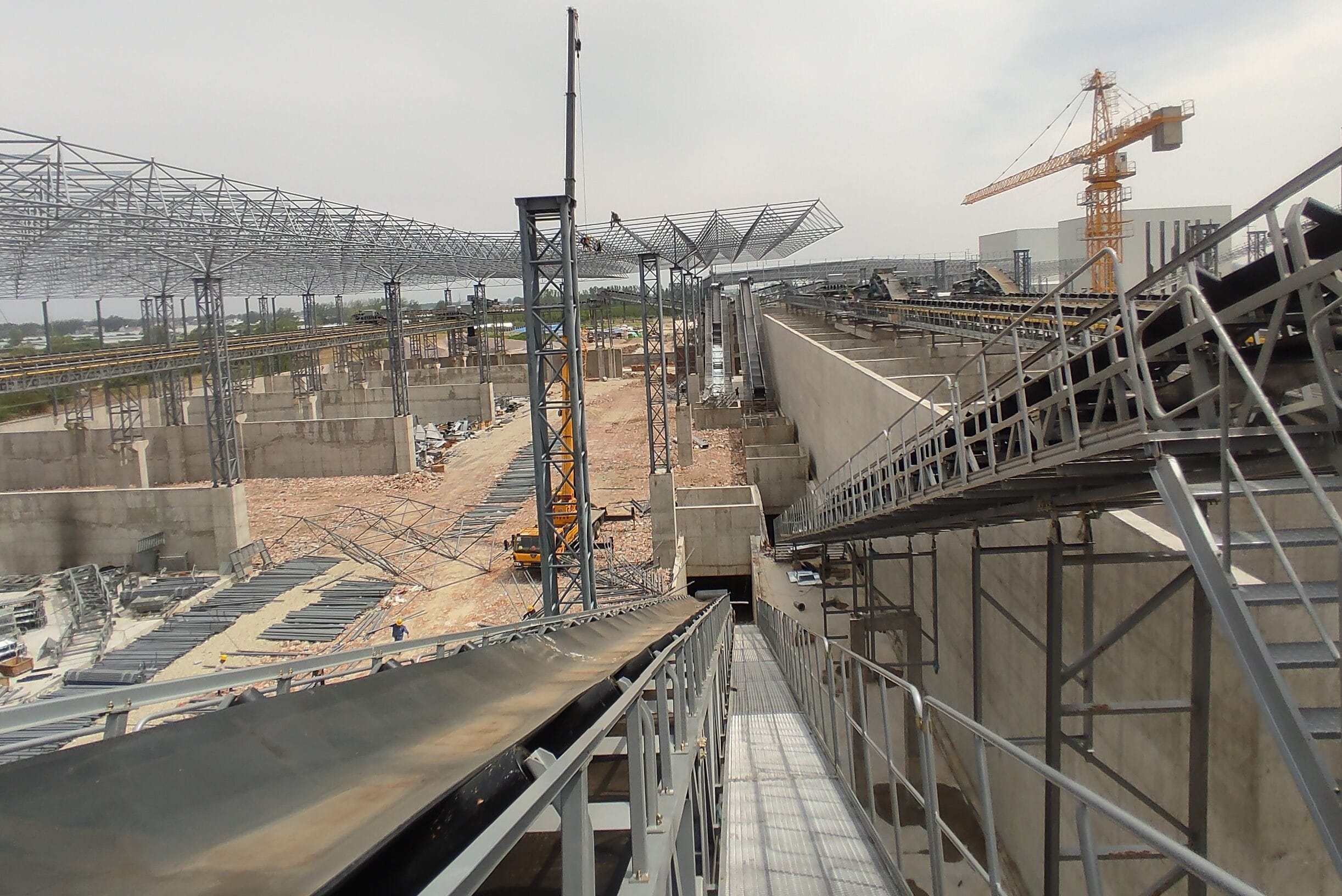
Belt conveyors are widely used in mining, sand and gravel aggregate production, construction, ports, and industrial facilities. They provide continuous and reliable material transportation and play an important role in connecting feeding, crushing, screening, and stockpiling processes in crushing and screening plants.
Because belt conveyors often operate continuously for long periods, components such as the conveyor belt, idlers, pulleys, belt cleaners, bearings, gearbox, and tensioning system are subject to continuous wear and operating loads. Without proper maintenance, problems such as belt misalignment, belt slippage, material spillage, damaged idlers, and unexpected downtime may occur.
Therefore, establishing a comprehensive Belt Conveyor Maintenance Checklist and inspecting key components on a daily, weekly, and periodic basis can help reduce unexpected downtime, extend equipment service life, and maintain stable conveying performance.
Although a belt conveyor has a relatively simple structure, it is continuously exposed to material impact, friction, vibration, dust, and other operating conditions.
Common problems include:
Regular preventive maintenance helps identify minor problems before they develop into major equipment failures.
Related Reading: Preventive Maintenance Plan for Crushing and Screening Plants
Daily inspections are mainly intended to identify obvious abnormalities before they lead to equipment failure.
Before startup and during operation, check whether the conveyor belt has:
If serious belt damage is found, stop the conveyor and inspect the cause before continuing operation.
Idlers are among the most numerous wear components in a belt conveyor and remain in continuous contact with the moving belt.
Check whether:
A seized or damaged idler increases friction against the conveyor belt and may accelerate belt wear or cause localized overheating.
Pay particular attention to the drive pulley and bend pulleys.
Check whether:
Material buildup around pulleys should be removed promptly to prevent belt tracking problems and excessive wear.
Belt misalignment can cause material spillage and accelerate wear along the belt edges.
Observe whether:
If persistent misalignment occurs, inspect the idlers, pulleys, conveyor frame, loading conditions, and tensioning system rather than simply adjusting the belt repeatedly.
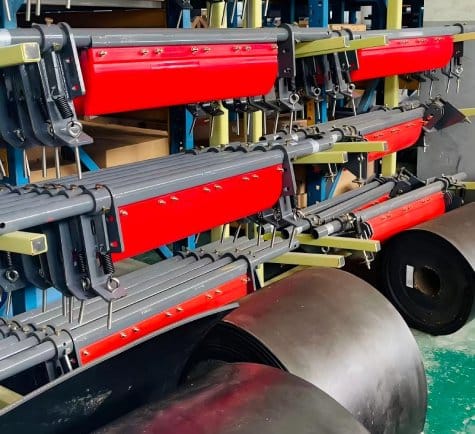
A belt cleaner removes residual material from the conveyor belt after discharge.
Check whether:
Adjust or replace a severely worn belt cleaner promptly.
Related Reading: How to Choose a Belt Cleaner
Weekly maintenance should include a more detailed inspection of the drive, tensioning, lubrication, and connection components.
The tensioning system maintains the appropriate tension in the conveyor belt.
Check:
Insufficient tension may cause belt slippage, while excessive tension can increase the load on the belt, pulleys, and bearings.
Check:
If the motor temperature rises abnormally or the gearbox produces unusual noise, stop the equipment for further inspection.
Inspect bearings used in pulleys, drive assemblies, and other critical components.
Maintenance should include:
Checking bearing temperature
Use the specified lubricant and avoid over-lubrication, which can also contribute to bearing problems.
Continuous vibration can cause bolts and structural connections to loosen over time.
Pay particular attention to:
Tighten any loose fasteners promptly according to the equipment manufacturer’s specifications.
In addition to daily and weekly inspections, periodic maintenance should be scheduled according to operating hours, material characteristics, environmental conditions, and the manufacturer’s recommendations.
Belt splices are critical areas that require regular inspection.
Check whether:
For long-distance or heavy-duty conveyors, belt splice inspections should be performed more frequently.
Check:
For conveyors handling large or high-density materials, structural components should receive particular attention.
Regularly inspect:
A failure of any safety device can create a significant safety risk even when the mechanical components of the conveyor are operating normally.
Some users replace the conveyor belt when excessive wear is detected but overlook damaged or seized idlers.
A seized idler can continuously increase friction against the belt, accelerating belt wear and potentially causing localized overheating.
Belt misalignment can result from several factors, including:
Therefore, the root cause should be identified before making repeated tracking adjustments.
Accumulated material around pulleys, idlers, and the conveyor frame can cause:
The conveyor and surrounding work area should therefore be kept clean, and spilled material should be removed promptly.
The following checklist can be used as a basic maintenance reference:
| Inspection Item | Daily | Weekly | Periodic |
| Conveyor belt wear | ✓ | ✓ | ✓ |
| Belt alignment | ✓ | ✓ | ✓ |
| Idler condition | ✓ | ✓ | ✓ |
| Pulley condition | ✓ | ✓ | ✓ |
| Belt cleaner | ✓ | ✓ | ✓ |
| Tensioning system | ✓ | ✓ | |
| Motor | ✓ | ✓ | ✓ |
| Gearbox | ✓ | ✓ | |
| Bearing lubrication | ✓ | ✓ | |
| Bolts and connections | ✓ | ✓ | |
| Belt splices | ✓ | ||
| Conveyor frame and structure | ✓ | ||
| Safety protection devices | ✓ | ✓ |
The actual maintenance frequency should be adjusted according to the conveyor model, operating hours, conveyed material, working environment, and manufacturer’s maintenance requirements.
In addition to regular inspections, the following measures can help reduce equipment wear and extend service life.
Avoid prolonged overload operation and ensure that material is fed evenly onto the conveyor belt.
Insufficient tension can cause belt slippage, while excessive tension increases the load on the belt, pulleys, and bearings.
Worn components such as idlers, belt cleaners, and conveyor belts should be replaced when they reach their allowable wear limits.
Regularly remove spilled material and buildup around pulleys, idlers, and the conveyor frame to prevent interference with normal operation.
Record inspection dates, identified problems, replaced components, and maintenance activities. Over time, these records can help identify equipment trends and support the development of more effective preventive maintenance plans.
Runhang provides belt conveyor equipment and conveying system solutions for mining, sand and gravel aggregate, construction, ports, cement, and other bulk material handling applications.
Depending on conveying distance, material characteristics, capacity, and site conditions, Runhang can provide various conveyor solutions, including:
Runhang also provides supporting components and technical services to help customers develop efficient and reliable conveying systems.
Related Reading: Belt Conveyor Types and Applications
Belt conveyor maintenance should not begin only after equipment failure occurs. Instead, daily inspections, weekly maintenance, and periodic servicing should be combined to identify potential problems at an early stage.
Particular attention should be given to the conveyor belt, idlers, pulleys, belt cleaner, tensioning system, bearings, gearbox, structural components, and safety protection devices.
For continuous-production applications such as mining and aggregate processing, a standardized Belt Conveyor Maintenance Checklist, combined with proper operation and preventive maintenance, can effectively reduce equipment failures and unplanned downtime while helping maintain efficient and stable conveyor performance.