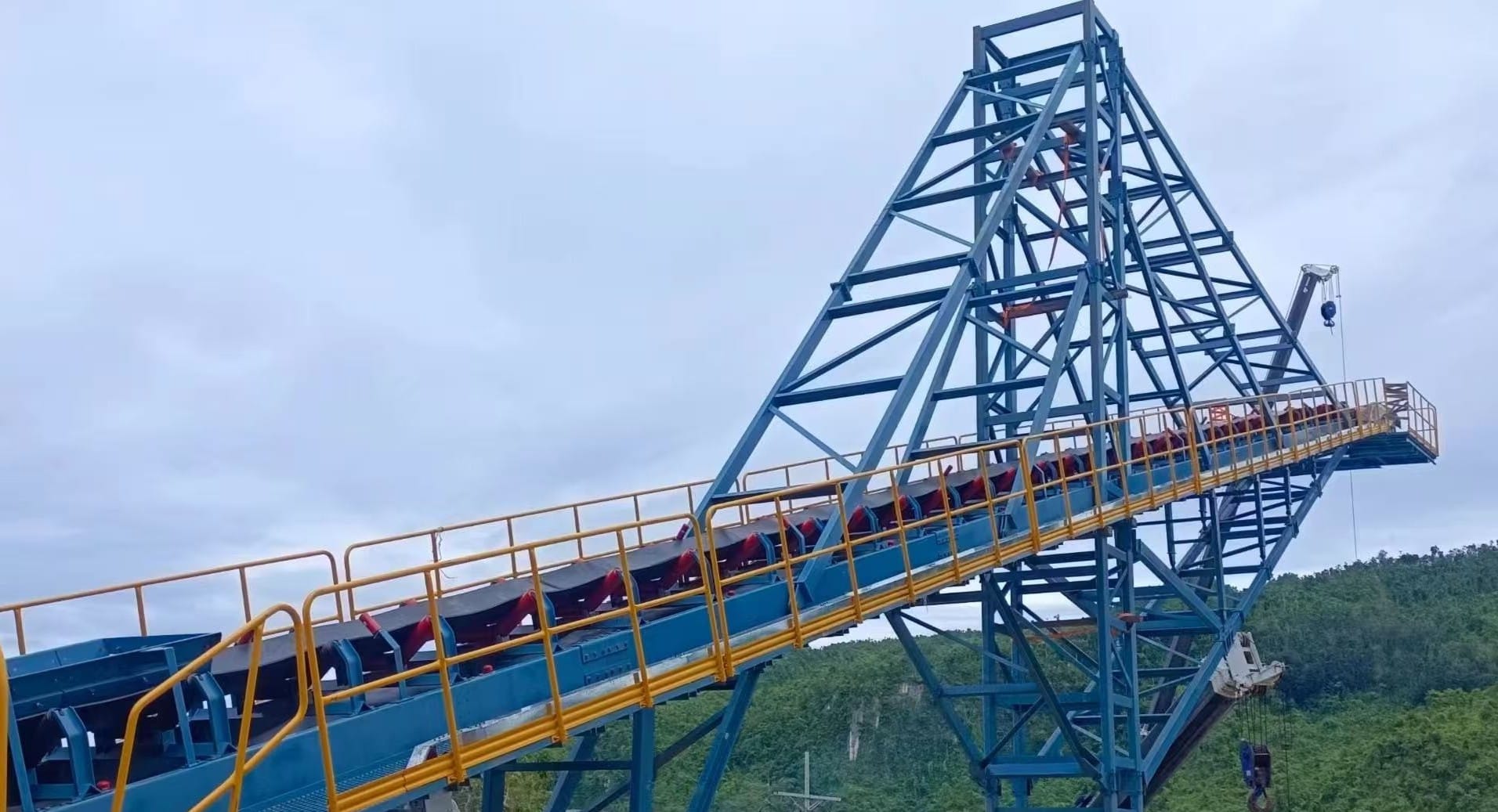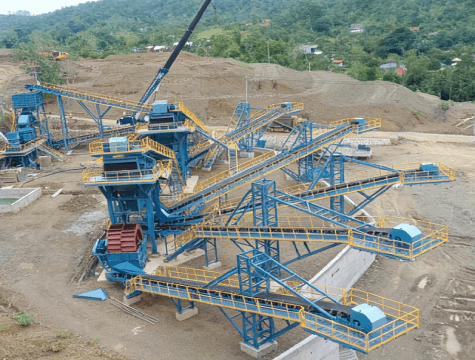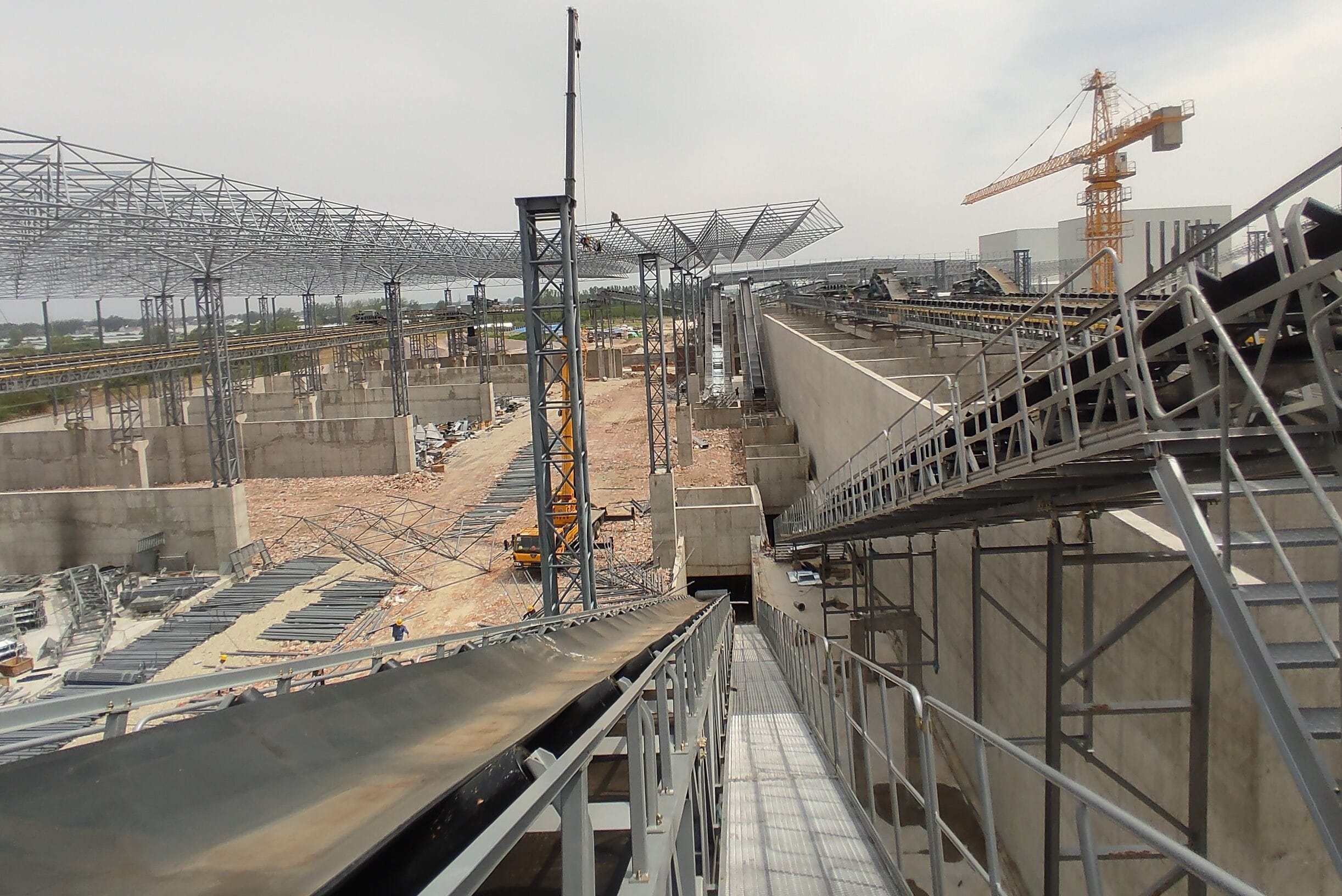
In industries such as mining, aggregate production, cement manufacturing, ports, and concrete batching plants, belt conveyors play a vital role in material handling. However, during operation, some material often adheres to the conveyor belt surface and is carried back along the return side of the belt. This phenomenon is commonly known as carryback.
If carryback is not effectively controlled, it can lead to material spillage, increased maintenance costs, excessive conveyor belt wear, idler damage, and environmental pollution. For this reason, selecting the right belt cleaner is essential for improving conveyor efficiency and reducing operating costs.
This article explains the different types of belt cleaners, key selection factors, and common mistakes to avoid when choosing a belt cleaning system.
The primary function of a belt cleaner is to remove residual material from the conveyor belt after discharge.
In many conveyor systems, excessive material spillage is not caused by the conveyor itself but by an improperly designed or insufficient belt cleaning system.
Related Reading: How to Reduce Material Spillage in Belt Conveyor Systems
Belt cleaners are widely used in:
Different industries and materials require different cleaning solutions.
A primary belt cleaner is typically installed on the head pulley at the discharge point.
Polyurethane blade cleaners are among the most commonly used primary belt cleaners due to their excellent wear resistance and belt-friendly performance.
A secondary belt cleaner is installed immediately after the head pulley.
For projects with strict environmental requirements, a combination of primary and secondary belt cleaners is strongly recommended.
A V-plow belt cleaner is installed on the return side of the conveyor belt.
Rotary brush cleaners use a motor-driven rotating brush to remove material from the belt surface.
Brush cleaners are often used where conventional blade cleaners cannot achieve satisfactory cleaning performance.
Different materials have different levels of abrasiveness, moisture content, and adhesion.
| Material Type | Recommended Belt Cleaner |
| Limestone | Polyurethane Primary Cleaner |
| Granite | Heavy-Duty Alloy Cleaner |
| Cement | Primary + Secondary Cleaner |
| Fly Ash | Secondary Cleaner |
| Clay | Rotary Brush Cleaner |
Before selecting a belt cleaner, consider:
Belt speed significantly affects cleaner performance.
General recommendations:
Using the wrong cleaner may result in excessive blade wear or inadequate cleaning performance.
The belt cleaner must match the conveyor belt width.
Common belt widths include:
A cleaner that is too narrow may leave material on the belt edges, while an oversized cleaner increases installation costs and may affect performance.
Environmental conditions have a direct impact on belt cleaner selection.
Recommended configuration:
Using both cleaners together improves cleaning efficiency and dust control.
Recommended options:
These materials provide better corrosion resistance and longer service life.
Recommended:
These configurations are designed for harsh operating conditions and continuous operation.
Large-scale mining and aggregate projects typically involve:
In these applications, heavy-duty belt cleaners are recommended to ensure long-term reliability and stable cleaning performance.
Many operators assume that one cleaner is sufficient.
However, for fine powders or sticky materials, a primary cleaner alone often cannot remove all carryback.
A more effective solution is:
Primary Belt Cleaner + Secondary Belt Cleaner
Although harder blades may offer greater wear resistance, they can also accelerate conveyor belt wear.
The correct blade material should be selected according to:
Many conveyor failures occur on the return side.
Without a V-plow belt cleaner:
For this reason, return belt protection should not be overlooked.
As belt cleaner blades wear, contact pressure decreases.
Without regular adjustment:
The tensioning system should be inspected and adjusted regularly.
A preventive maintenance program can significantly extend belt cleaner service life.
Replacing worn components before failure can significantly reduce conveyor maintenance costs.
As a professional manufacturer of conveying equipment, Runhang provides a complete range of belt cleaning solutions, including:
Our products are widely used in:
By properly configuring a belt cleaning system, operators can effectively reduce carryback, minimize equipment wear, improve workplace cleanliness, and enhance production efficiency.
Carryback is one of the most common challenges in conveyor systems, leading to material loss, equipment wear, increased maintenance costs, and environmental issues.
Choosing the right belt cleaner requires careful consideration of material characteristics, belt speed, belt width, operating conditions, and conveying capacity.
In most applications, a combination of primary belt cleaners, secondary belt cleaners, and V-plow belt cleaners provides the most effective cleaning performance and long-term protection for conveyor components.
By selecting the appropriate belt cleaning system and implementing regular maintenance practices, operators can significantly improve conveyor reliability, reduce downtime, and lower overall operating costs.