Preventive Maintenance Plan for Crushing and Screening Plants

Release Time: 2026-03-25
Read: 137
Share:

In the mining, aggregates, and construction industries, crushing and screening production lines are the core systems that enable continuous production. As the equipment operates continuously under high-load, high-wear conditions, a lack of systematic maintenance management can easily lead to equipment failure, downtime, and even significant losses.

Therefore, establishing a scientific preventive maintenance plan is key to ensuring production stability and reducing operating costs.

1. What is Preventive Maintenance?

Preventive maintenance refers to the inspection, servicing, and replacement of wear-and-tear parts on equipment at set intervals to prevent breakdowns.

  • This typically includes:
  • Daily (8-hour) inspections
  • Weekly (40-hour) maintenance
  • Monthly (200-hour) servicing
  • Annual overhauls

This phased maintenance system effectively ensures the long-term, stable operation of equipment.

2. Why is Preventive Maintenance Essential?

Compared to ‘repair after failure’, preventive maintenance offers clear advantages:

  • Extends equipment lifespan (by up to 30%)
  • Improves production efficiency (by 15–20%)
  • Reduces unplanned downtime
  • Lowers maintenance costs

At the same time, modern production line equipment is complex, particularly mobile crushing and screening equipment; without data monitoring and maintenance management, this can very easily lead to a decline in production efficiency.

3. Daily Maintenance

Routine inspections are the first line of defence in preventive maintenance and should be carried out at the start of each shift.

Key inspection items:

  • Lubrication system (oil level, oil pressure, leaks)
  • Equipment operating noise and vibration
  • Conveyor belt tension and misalignment
  • Screen clogging or damage
  • Loose fasteners

In addition, a pre-shift inspection must be carried out before starting up, covering the lubrication system, feeding system, and dust extraction system, to prevent operation whilst the equipment is faulty.

👉 This is the aspect that is most easily overlooked on site, yet it is also the most crucial.

4. Routine Maintenance (Weekly / Monthly)

Weekly maintenance:

  • Check bearing temperature (to assess lubrication status)
  • Check for wear on the screen mesh and liners
  • Clear accumulated material from the crushing chamber
  • Inspect the belt and drive system

Monthly maintenance:

  • Replace or top up the lubricating oil
  • Check hydraulic system pressure and seals
  • Inspect the electrical and control systems
  • Analyse equipment operating data

For example, RUNH crushing and screening equipment features an optimised structural design that makes key components easier to maintain, helping to reduce maintenance costs and downtime.

5. Annual Maintenance and Overhaul

Annual maintenance is a crucial part of ensuring the long-term, stable operation of equipment. These mainly include:

  • Replacing wear parts such as liners and hammer heads
  • Inspecting the main shaft, bearings, and eccentric mechanism
  • Checking the structural integrity and foundation stability of the equipment
  • Servicing the motor and gearbox

Regular overhauls can prevent equipment from operating whilst faulty and help avert major breakdowns.

6. Key Points for Maintaining Critical Equipment

① Crusher maintenance

  • Regularly check the wear on liners, jaw plates or hammer heads
  • Control feed size and uniformity
  • Monitor changes in current and power

👉 Changes in power are a key indicator of equipment malfunction.

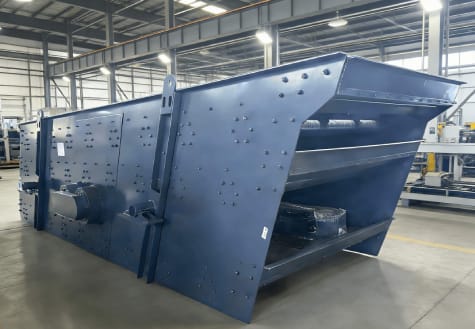
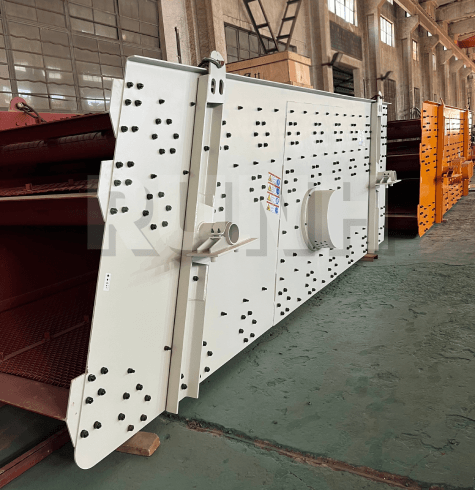
② Maintenance of vibrating screens

  • Regularly check the tension of the screen mesh
  • Prevent the screen surface from becoming blocked
  • Inspect the vibrating motors and springs

If you would like to learn more about vibrating screens, please refer to:

Common Vibrating Screen Problems and Solutions

vibrating screen in screening plant

③ Conveyor system maintenance

  • Inspect the drums and idlers
  • Prevent the belt from running off-centre
  • Clear any accumulated material

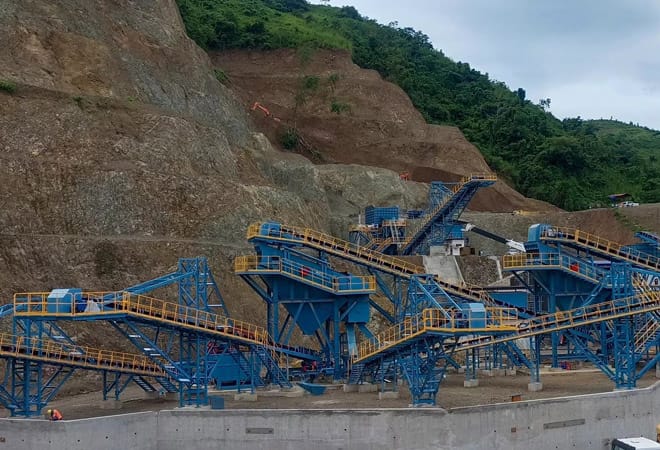
belt conveyor system in crushing plant

7. Operation and Monitoring Management (Critical)

Many equipment issues are not discovered only after a failure has occurred, but rather because changes in trends have gone unmonitored.

We recommend focusing on the following monitoring parameters:

  • Bearing temperature
  • Motor current
  • Vibration levels
  • Coast time

For example, if the coast time changes after the equipment has stopped, this may indicate a problem with the bearings or alignment.

8. Establishing a Maintenance Management System

To improve maintenance efficiency, it is recommended that a standardised management system be established:

  • Draw up a maintenance schedule
  • Create equipment operation records
  • Record fault and repair history
  • Analyse equipment wear patterns
  • At the same time, it is recommended to integrate an intelligent monitoring system to enable data-driven management (such as remote monitoring of equipment status), which can significantly improve maintenance efficiency.

9. Spare Parts and Personnel Management

Preventive maintenance is not just about equipment; it also involves management:

Spare parts management:

  • Keep spare screens, bearings, and liners in stock
  • Use high-quality spare parts

Personnel training:

  • Improve adherence to operating procedures
  • Enhance fault identification skills

Experienced operators can detect anomalies early on and prevent major breakdowns.

10. Costs and Long-Term Benefits

Whilst preventive maintenance does incur additional costs, the long-term benefits are significant:

  • Reduced repair costs
  • Reduced downtime losses
  • Improved equipment utilisation
  • Enhanced product quality consistency

If you wish to understand the costs associated with the entire production line, please refer to:
Crushing Plant Cost Breakdown: Equipment, Installation and Operation

Conclusion:

Preventive maintenance is key to ensuring the efficient operation of crushing and screening production lines. By establishing a systematic maintenance programme, the following can be achieved:

  • More stable production operations
  • Lower operating costs
  • Longer equipment service life

As a specialist manufacturer of construction machinery, RUNH provides high-performance crushing and screening equipment and comprehensive solutions to help customers achieve stable, efficient, and sustainable production operations.

According to the actual situation, we will work out a flexible investment solution for you.
According to local market demands, we will guide users to choose the right product category.
According to production demand and investment scale, we will guide users to choose the right equipment.

If you are looking for related products or have any other questions, please feel free to contact us.
Have Other Questions For Us? Ask Our Experts Directly!
Submit a Quick Quote
We can ensure that our customers receive the highest quality prices and services.


    Submit a Quick Quote
    We can ensure that our customers receive the highest quality prices and services.