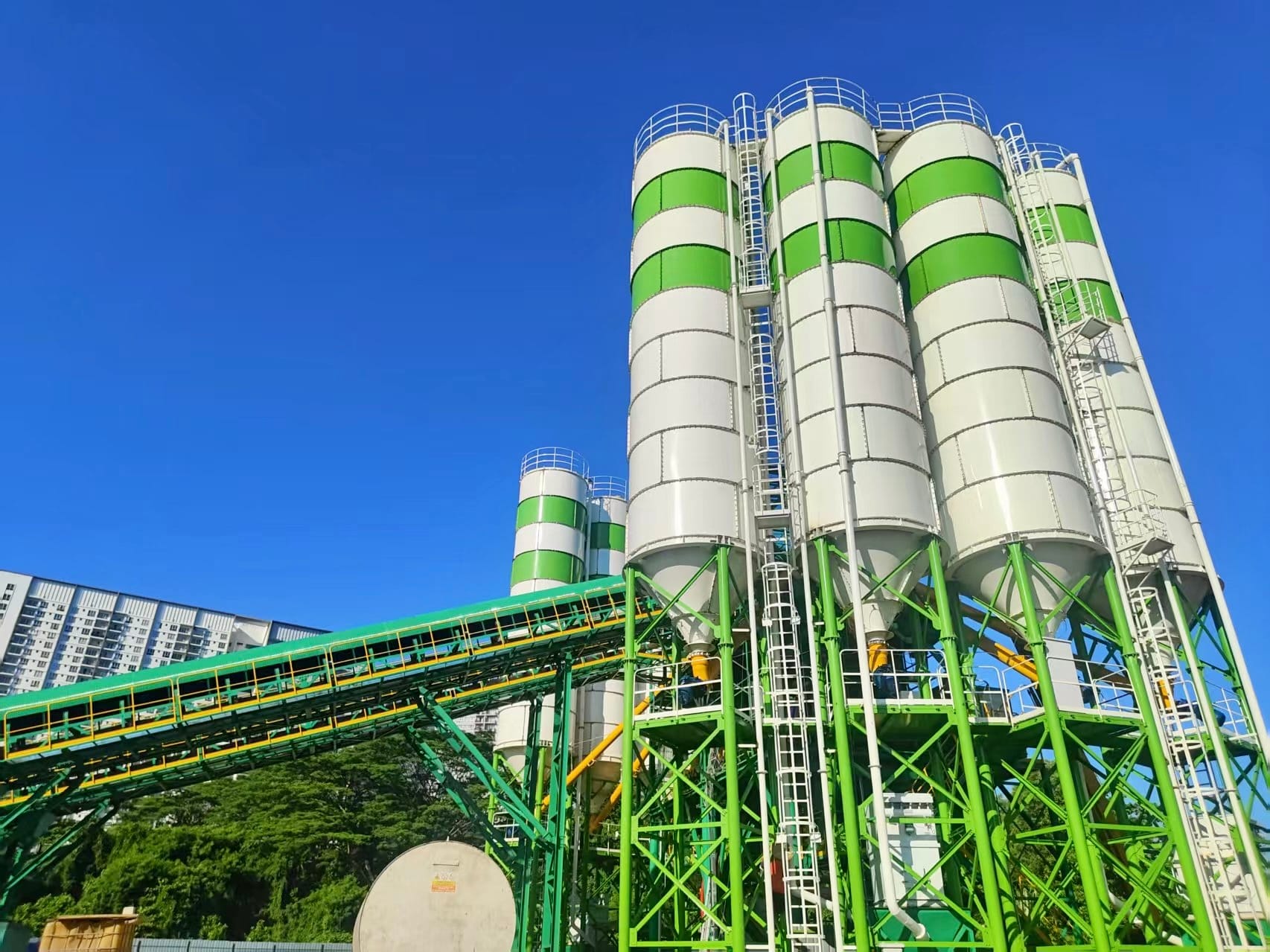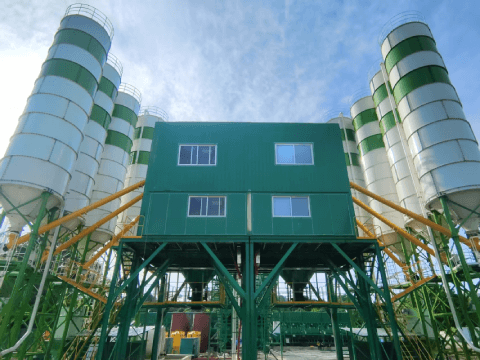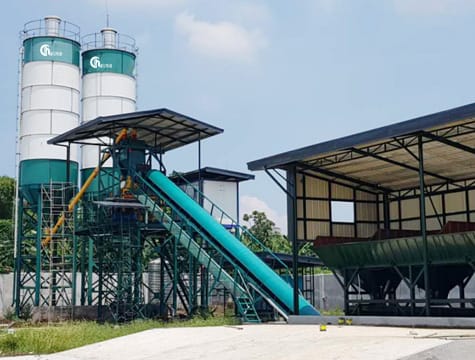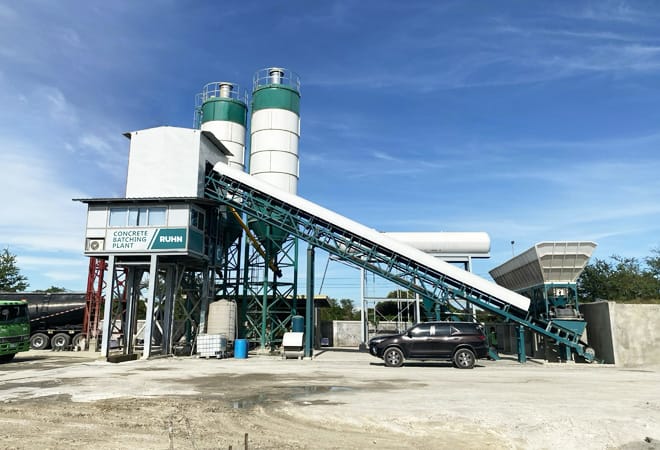
During the operation of a concrete batching plant, safety management is crucial not only for personnel safety but also for production efficiency and equipment service life. Extensive industry experience demonstrates that standardised safe operating procedures can significantly reduce the incidence of accidents and enhance overall operational stability.
Consequently, standardising operating procedures and raising safety awareness are key to ensuring stable production and personnel safety. This article summarises the ten safety guidelines that concrete batching plant operators must adhere to, helping businesses mitigate risks and improve efficiency.
Operators must be equipped with:
Concrete is highly alkaline, and its dust contains silica; prolonged exposure can cause damage to the skin and respiratory system.
Before starting up the equipment, a thorough inspection of the batching plant should be carried out, including:
Regular inspections not only improve safety but also extend the service life of the equipment
Further reading: How Does a Concrete Batching Plant Work
Operators must operate the equipment in accordance with standard procedures. The following are prohibited:
Adherence to standard operating procedures is the foundation for preventing accidents.
Please ensure that:
Failure to follow the correct procedures will not only affect quality but may also cause equipment malfunctions.
Proper storage can effectively minimise safety risks:
Proper materials management can reduce the risk of accidents and improve production efficiency.
Prolonged operation under excessive loads may result in:
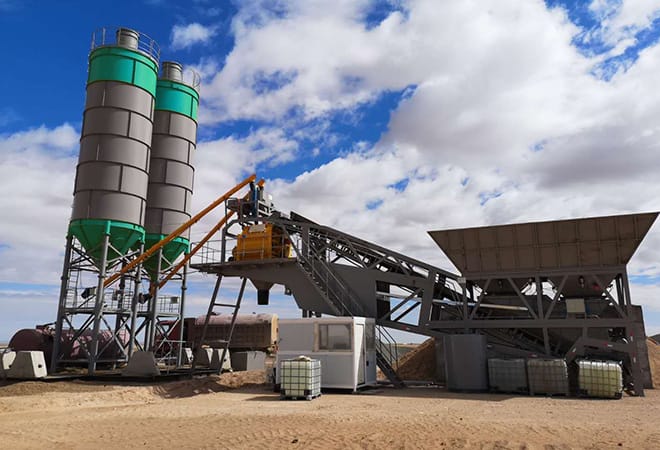
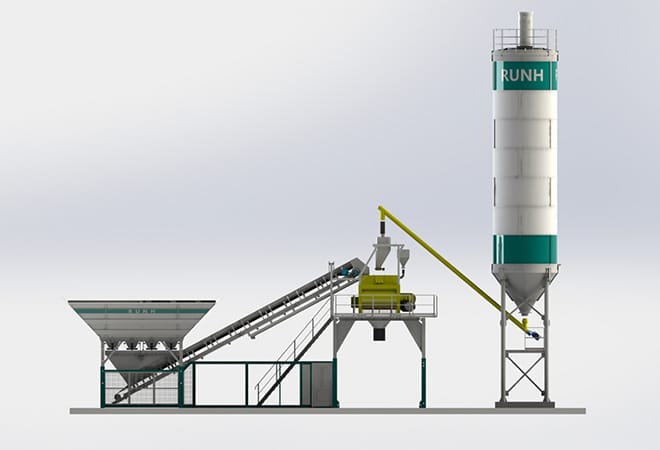
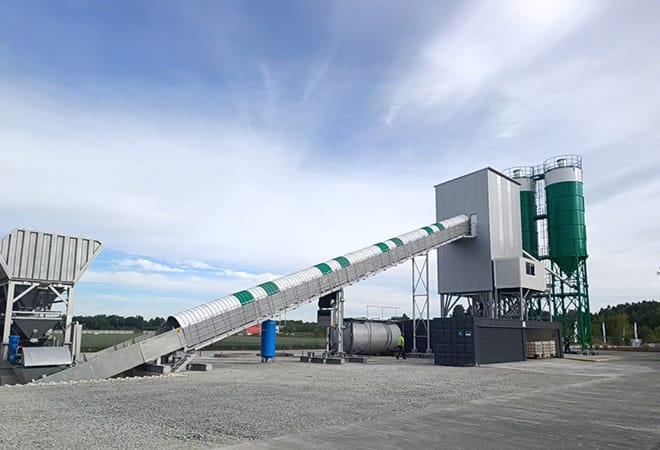
It is therefore particularly important to select high-performance equipment; for example, the Runhang concrete batching plant features a robust structural design that helps to minimise operational risks.
The weather has a significant impact on concrete production:
Check the weather forecast before construction and adjust production plans accordingly.
The production area should be kept tidy to avoid:
A clean working environment can significantly reduce the risk of slips and collisions.
Companies should provide regular training for operators, including:
Experienced operators are better able to identify potential hazards at an early stage and prevent accidents from occurring.
Organisations should establish a comprehensive safety management system, such as:
A systematic approach to management can significantly improve overall safety standards.
The safe operation of a concrete batching plant depends on standardised procedures and sound management. By adhering to the ten safety guidelines outlined above, you can effectively:
As a specialist manufacturer of construction machinery, Runhang is committed to providing customers with high-performance, safe, and reliable concrete mixing equipment, helping businesses achieve efficient and safe production operations.