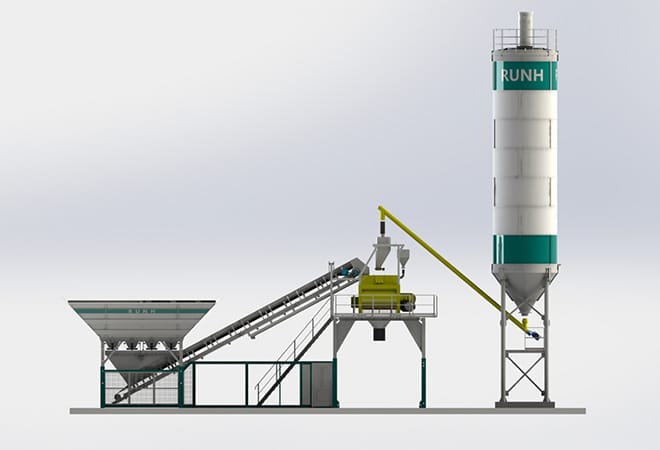
The concrete mixer is one of the most critical pieces of equipment in a concrete batching plant. Its performance directly affects concrete quality, production efficiency, and the reliability of the entire production line. Continuous heavy-duty operation, poor maintenance, or improper operation can lead to equipment failures, causing costly downtime, increased maintenance expenses, and project delays.
Fortunately, most mixer problems can be prevented through regular inspections and preventive maintenance. Identifying faults at an early stage not only extends equipment service life but also improves production efficiency and reduces operating costs.
This guide explains the most common concrete mixer problems, their causes, practical solutions, and maintenance recommendations to help operators keep their equipment running safely and efficiently.
Why Do Concrete Mixers Fail?
Concrete mixers continuously process cement, aggregates, water, and admixtures under harsh working conditions. Dust, vibration, heavy loads, and abrasive materials gradually increase wear on mechanical components.
Common causes of mixer failures include:
- Insufficient lubrication
- Worn mixing blades or liners
- Overloading the mixer
- Incorrect feeding sequence
- Electrical or control system failures
- Delayed cleaning, resulting in hardened concrete buildup
Related Reading: Concrete Batching Plant Maintenance Checklist: Daily, Weekly, and Monthly Tasks
1. Poor Mixing Quality
Symptoms
- Dry clumps in the concrete
- Uneven aggregate distribution
- Inconsistent concrete quality
- Fluctuating concrete strength
Causes possibles
- Worn mixing blades or liners
- Insufficient mixing time
- Incorrect feeding sequence
- Inaccurate weighing system
Solutions
- Replace worn blades and liners.
- Increase the mixing time when necessary.
- Follow the correct material feeding sequence.
- Calibrate the weighing system regularly.
Related Reading: Quels sont les facteurs qui influent sur la qualité du béton dans une centrale à béton ?
2. Mixer Fails to Start
Symptoms
- No response after pressing the start button
- Motor does not operate
- Control system fails to start
Causes possibles
- Power supply failure
- Electrical control fault
- Damaged motor
- Emergency stop button activated
- Safety interlock engaged
Solutions
- Check the power supply and voltage.
- Inspect the control cabinet and PLC.
- Test the motor.
- Reset emergency stop and safety interlocks.
3. Motor Runs, but Mixer Does Not Rotate
Symptoms
- Motor hums normally
- Mixing shaft remains stationary
- Equipment stops shortly after startup
Causes possibles
- Gearbox failure
- Damaged coupling
- Seized bearings
- Hardened concrete blocking the drum
Solutions
- Remove hardened concrete.
- Inspect the gearbox and coupling.
- Replace damaged bearings.
- Remove mechanical blockages before restarting.
4. Poor Discharge Performance
Symptoms
- Slow discharge
- Discharge gate cannot fully open or close
- Concrete residue remains inside the mixer
Causes possibles
- Hardened concrete around the discharge gate
- Pneumatic or hydraulic failure
- Low air pressure
- Worn discharge mechanism
Solutions
- Clean the discharge gate after every shift.
- Inspect cylinders, valves, and pipelines.
- Replace worn components.
- Maintain stable air pressure.
5. Excessive Noise or Vibration
Symptoms
- Unusual operating noise
- Strong vibration
- Knocking sounds during mixing
Causes possibles
- Bearing wear
- Loose mixing shaft
- Damaged coupling
- Loose anchor bolts
Solutions
- Check bearing condition and lubrication.
- Tighten loose fasteners.
- Replace damaged couplings.
- Identify the vibration source before restarting.
6. Bearing Overheating
Symptoms
- High bearing temperature
- Grease leakage
- Burnt or contaminated grease
Causes possibles
- Insufficient lubrication
- Dirty lubricant
- Bearing wear
- Continuous overload
Solutions
- Replenish or replace grease.
- Monitor bearing temperature regularly.
- Avoid prolonged overload operation.
- Replace damaged bearings when necessary.
7. Shaft Seal Leakage
Symptoms
- Slurry leaking around the shaft ends
- Excessive seal wear
- Cement slurry entering the bearing area
Causes possibles
- Worn shaft seals
- Aged sealing components
- Incorrect seal clearance
Solutions
- Inspect the shaft sealing system.
- Replace damaged seals.
- Adjust seal clearance.
- Lubricate the shaft-end sealing system regularly.
8. Motor Overload or Frequent Tripping
Symptoms
- High motor temperature
- Frequent overload shutdown
- Abnormally high current
Causes possibles
- Excessive material feeding
- Low concrete slump
- Motor failure
- Electrical system faults
Solutions
- Reduce feed quantity.
- Optimize the concrete mix design.
- Inspect the motor and gearbox.
- Check electrical protection devices.
9. Excessive Wear of Mixing Components
Symptoms
- Worn mixing blades
- Damaged liners
- Reduced shaft seal life
Causes possibles
- Highly abrasive aggregates
- Continuous heavy-duty production
- Improper blade clearance
- Low-quality replacement parts
Solutions
- Inspect wear parts regularly.
- Use high-quality wear-resistant components.
- Replace worn parts according to the maintenance schedule.
- Avoid prolonged operation under maximum load.
How to Reduce Concrete Mixer Failures
A preventive maintenance program is the most effective way to reduce equipment failures.
Daily Maintenance
- Clean the mixer drum and discharge gate.
- Inspect the lubrication system.
- Check blades and liners.
- Remove hardened concrete residue.
- Monitor motor operation.
Weekly Maintenance
- Tighten bolts and fasteners.
- Inspect the gearbox and couplings.
- Check bearing lubrication.
- Calibrate the weighing system.
Monthly Maintenance
- Inspect shaft-end seals.
- Check the electrical control system.
- Inspect the drive system.
- Replace severely worn wear parts.
Routine maintenance significantly improves equipment reliability while reducing repair costs and unexpected downtime.
Runhang Concrete Mixing Solutions
Runhang specializes in manufacturing concrete batching plants and concrete mixing equipment, including:
Runhang recommends implementing standardized preventive maintenance procedures, including regular inspections of blades, liners, bearings, seals, and lubrication systems.
In addition to high-quality equipment, Runhang provides installation and commissioning, operator training, spare parts supply, maintenance guidance, and technical support to help customers maximize equipment performance and minimize lifecycle operating costs.
Conclusion
Most concrete mixer failures develop gradually and show clear warning signs before serious damage occurs. Regular inspections, timely troubleshooting, and preventive maintenance can effectively reduce equipment failures, improve concrete quality, and extend equipment service life.
By combining proper maintenance procedures with reliable equipment and professional technical support, concrete producers can achieve safer operation, higher productivity, and lower long-term operating costs.