1. Check the fence of the site and whether there is a continuous closed fence.
2. The hardening of the road surface, work area, and yard, whether the road surface, work area, and yard are hardened.
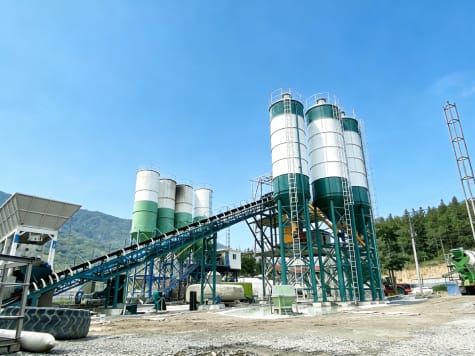
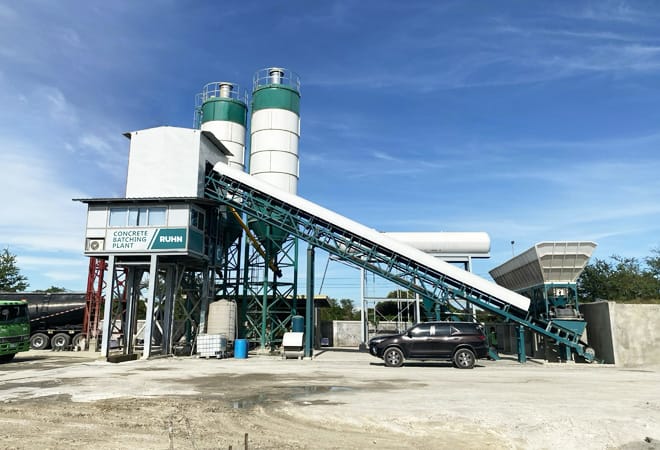
3. The closure of the aggregate yard and batching silo, whether the aggregate yard and batching silo are sealed, and whether the spray dust reduction method is used.
4. Whether the vehicle flushing equipment is equipped at the entrance of the site, and the vehicles entering and leaving the site are actively flushed. At the same time, the flushing situation in and out needs to be recorded.
5. Record the drainage and sewage treatment of the site, whether there are systematic and effective drainage measures, whether there are 3-level sedimentation tanks, and whether the sewage is cleaned.
6. Properly handle the separation of the work area, living area, and production area, and confirm whether the work area, living area, and production area are separated.
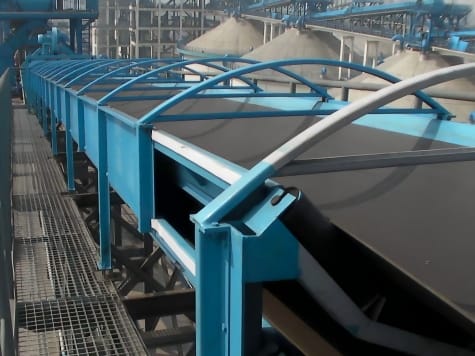
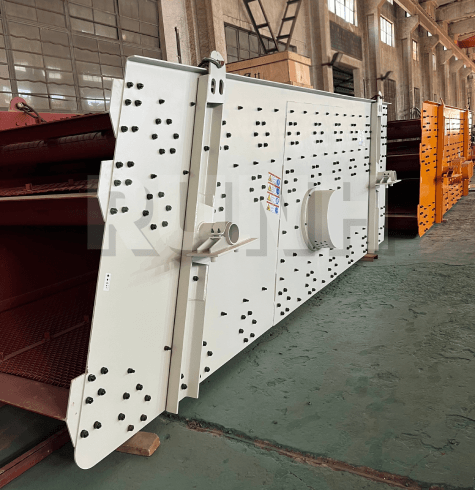
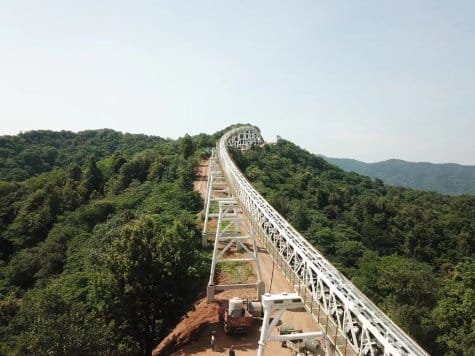
7. Record the implementation of the dust removal and dust suppression methods of the production line, whether the mixing building is sealed above the second floor, whether the silo is closed, whether it is equipped with silo bag dust removal and other equipment, whether the conveyor belt is closed, and whether the feed port is closed.
8. Record the use of GPS equipment, license plate number extension, and anti-drip equipment of the mixer truck, whether the vehicle is equipped with GPS positioning, whether the receiving hopper has an extended license plate number, and whether the appearance of the mixer truck is clean and tidy.
9.Dust removal and cleaning of the mixing site, whether the site and the road surface are cleaned, sprinkled, and cleaned in time, check whether the sand and gravel are piled up randomly, and whether there is a sprinkler truck equipped to sprinkle water and reduce dust in time.