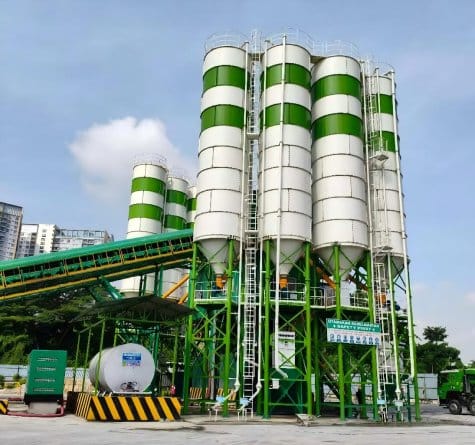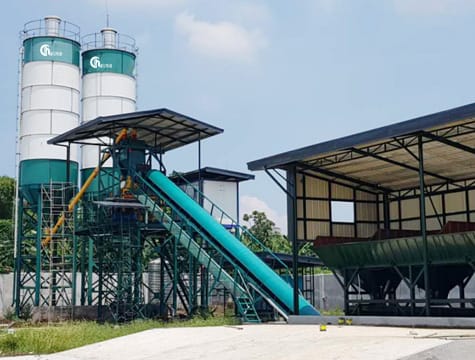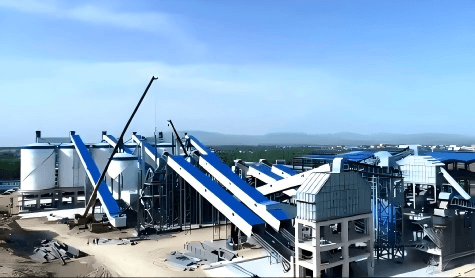
Belt conveyors are widely used in mining, aggregate production, cement plants, ports, power stations, and other bulk material handling industries. They provide continuous, efficient, and automated material transportation, making them an essential part of modern production lines.
However, improper operation or inadequate maintenance can lead to accidents such as entanglement, pinch injuries, falls, material spillage, or electrical hazards. These incidents not only threaten operator safety but also result in costly downtime and equipment damage.
Establishing standardized operating procedures and following proper safety practices are essential for ensuring safe working conditions and maintaining reliable conveyor performance. This guide outlines 10 essential belt conveyor safety guidelines that every operator should follow.
Belt conveyors often operate continuously for long periods under heavy-duty conditions. A minor operational mistake or equipment failure can quickly affect the entire production line.
Effective safety management helps:
Safety should be considered throughout the entire equipment lifecycle—from installation and operation to maintenance and repairs.
Only trained and authorized personnel should operate a belt conveyor.
Operators should understand:
Proper training significantly reduces the risk of operator error.
Before starting the conveyor, inspect the following:
Any abnormalities should be corrected before the conveyor is started.
Related Reading: How to Choose the Right Belt Cleaner for Your Conveyor System
Never attempt to:
Always stop the conveyor, disconnect the power supply, and verify that all moving parts have stopped before performing cleaning or maintenance.
Operators should always wear appropriate PPE, including:
Loose clothing, scarves, jewelry, or long hair should be secured to prevent entanglement in rotating equipment.
A clean workplace improves both safety and equipment reliability.
Regularly remove:
Keeping walkways clear helps reduce slip, trip, and fall hazards while making inspections easier.
The conveyor should only transport materials within its designed capacity.
Overloading may cause:
Maintaining a stable feed rate helps improve equipment performance and prolong service life.
Related Reading: Belt Conveyor Types and Applications
Daily inspections help identify potential problems before they become serious failures.
Pay particular attention to:
Replace worn components promptly to reduce maintenance costs and avoid unexpected shutdowns.
Before carrying out maintenance or repairs:
Never perform maintenance on energized or moving equipment.
Proper Lockout/Tagout (LOTO) procedures are one of the most effective ways to prevent serious workplace accidents.
During operation, immediately stop the conveyor if you notice:
Early troubleshooting helps prevent small problems from developing into costly equipment failures.
Safe operation depends on regular inspections and preventive maintenance.
A complete maintenance program should include:
Maintaining inspection records allows operators to monitor equipment condition and schedule maintenance more effectively.
Runhang designs belt conveyor systems with operator safety and long-term reliability in mind.
Our conveyors can be equipped with:
Runhang also provides installation guidance, operator training, spare parts, and technical support to help customers build safer, more efficient material handling systems.
Whether you operate a crushing plant, concrete batching plant, mining project, or port terminal, Runhang can provide customized conveyor solutions that meet your production and safety requirements.
Belt conveyor safety depends on proper equipment design, standardized operating procedures, regular inspections, and preventive maintenance.
By following these 10 safety guidelines, companies can significantly reduce workplace accidents, improve equipment reliability, minimize downtime, and extend the service life of their conveyor systems.
A safe conveyor system not only protects employees but also improves productivity, reduces maintenance costs, and ensures stable long-term operation.