In aggregate production, mining operations, and construction waste recycling projects, crushing plants inevitably generate noise during crushing, screening, and conveying.
If effective noise control measures are not implemented, excessive noise can adversely affect operator health, prompt complaints from nearby communities, and even lead to environmental penalties or project restrictions.
As environmental regulations become increasingly stringent worldwide, noise control has become an essential aspect of crushing plant design and operational management.
This article explores the major sources of noise in crushing and screening plants and outlines practical solutions to reduce noise pollution while maintaining efficient production.
Crushing plants operate under heavy loads and continuously process large volumes of material. During crushing, screening, and conveying operations, various types of mechanical and impact noise are generated.
Common noise sources include:
Among these, jaw crushers, impact crushers, cone crushers, and vibrating screens are typically the largest contributors to overall plant noise.
Crushers generate significant noise during operation due to:
Among all crusher types, jaw crushers and impact crushers generally produce the highest noise levels.
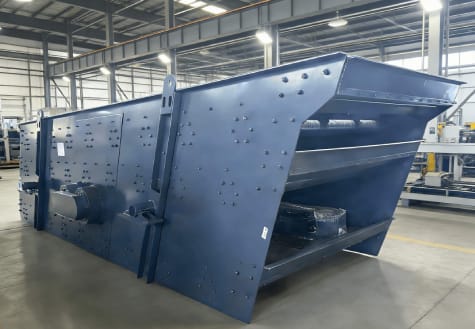
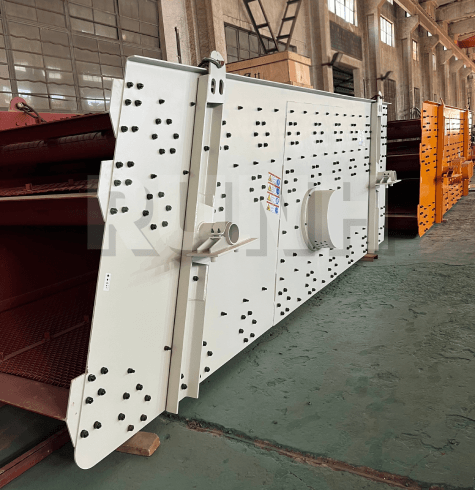
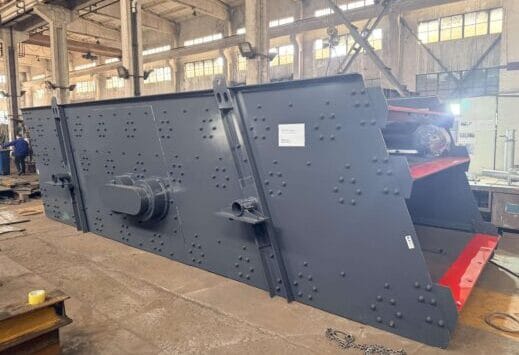
Vibrating screens rely on high-frequency vibration to separate materials of different sizes.
Noise is generated by:
Because vibrating screens operate continuously, they can become one of the primary sources of plant-wide noise.
Conveyor noise mainly originates from:
As conveyor components wear over time, noise levels may increase significantly if maintenance is neglected.
Motors, gearboxes, couplings, and drive systems generate:
Improper installation or poor maintenance can further increase noise levels.
Material transfer points often create sudden and intense impact noise.
When crushed stone falls from a height and strikes steel chutes, hoppers, or transfer plates, high-energy impacts generate significant noise.
Long-term exposure to excessive noise can affect both employees and surrounding communities.
Effective noise management is therefore not only an environmental requirement but also a critical factor in maintaining safe and sustainable operations.
Noise control begins with equipment selection.
High-quality crushing and screening equipment typically features:
For example, Runhang crushing and screening equipment utilizes optimized engineering designs and premium components to help minimize operational noise.
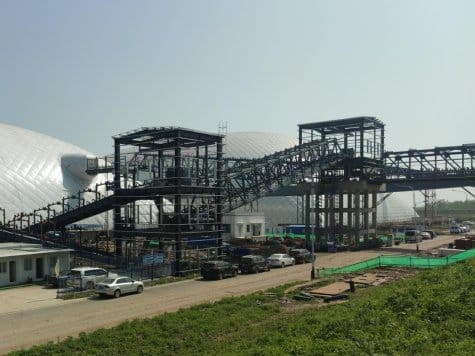
For equipment that generates high noise levels, additional soundproofing measures can be applied.
Suitable for:
Sound enclosures help contain noise and reduce sound transmission.
Suitable for:
Noise barriers help reduce noise propagation beyond the production site.
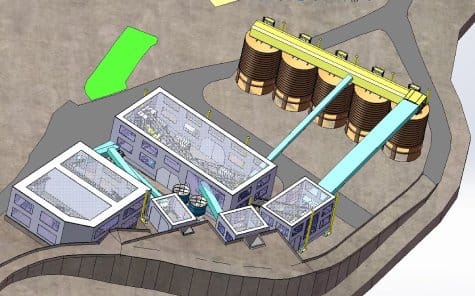
A well-designed plant layout can significantly reduce noise exposure.
Recommended practices include:
Incorporating noise control measures during the design stage is generally more effective and cost-efficient than implementing them after installation.
How to Design an Efficient Crushing and Screening Plant
Equipment vibration is a major source of secondary noise.
Common vibration-reduction measures include:
These solutions help minimize vibration transmission throughout the plant.
To reduce impact noise at material transfer points, operators can install:
These components absorb impact energy and reduce noise generated by falling materials.
Many abnormal noise issues are caused by equipment wear or damage.
Common causes include:
Establishing a preventive maintenance program helps identify problems before excessive noise occurs.
Preventive Maintenance Plan for Crushing and Screening Plants
Planting vegetation around the site can help reduce environmental noise.
Examples include:
Although vegetation alone cannot eliminate noise, it can contribute to lower noise levels at the site boundary while improving the overall environmental appearance of the facility.
Even when engineering noise control measures are in place, personal protection remains essential.
Operators working in high-noise areas should be provided with:
Regular occupational health examinations are also recommended to monitor employee hearing health.
To ensure ongoing compliance with environmental regulations, crushing plant operators should implement a comprehensive noise management program that includes:
Regular noise monitoring
A long-term management system helps maintain consistent environmental performance and supports sustainable plant operations.
As a professional manufacturer of crushing and screening equipment, Runhang provides complete solutions for aggregate production, mining, and recycling applications.
Our product range includes:
By optimizing equipment design, reducing vibration, and improving operational stability, Runhang helps customers achieve safer, quieter, and more environmentally friendly production operations.
Noise pollution is a critical issue that should not be overlooked in crushing plant operations.
By:
✔ Selecting low-noise equipment
✔ Optimizing plant layout
✔ Installing soundproofing measures
✔ Implementing preventive maintenance
✔ Providing proper employee protection
Companies can effectively reduce noise pollution, comply with environmental regulations, improve workplace conditions, and enhance overall operational efficiency.
A well-designed noise control strategy not only protects people and the environment but also contributes to the long-term success of crushing and screening operations.