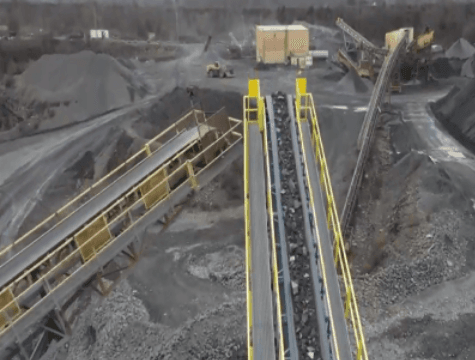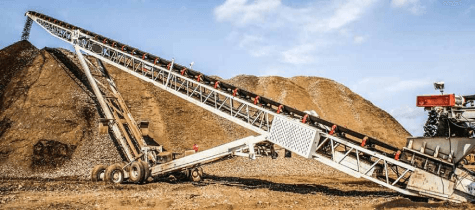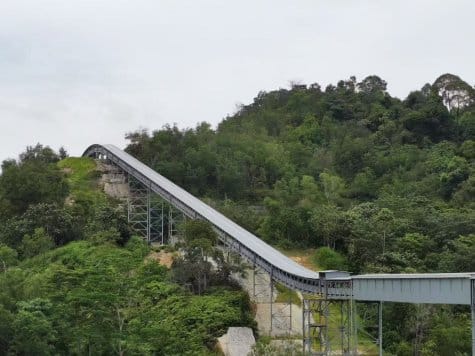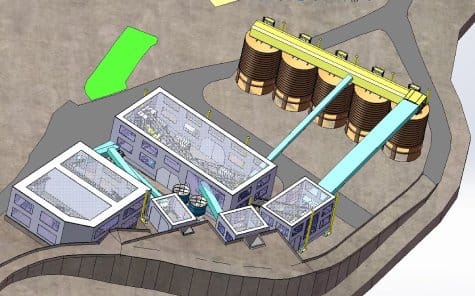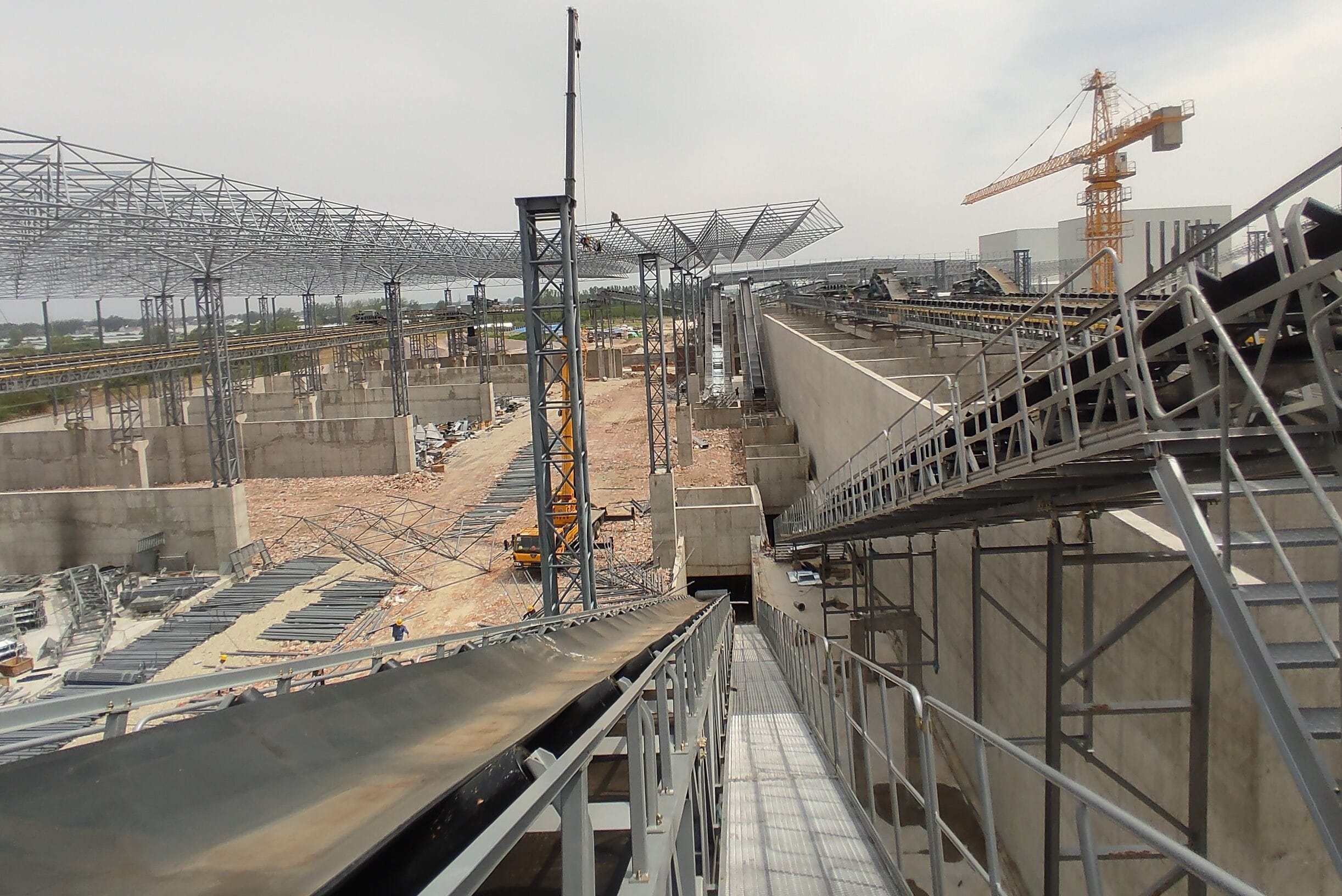
Belt conveyors are one of the most efficient and cost-effective solutions for transporting bulk materials in industries such as mining, aggregate production, cement, ports, power generation, and construction materials.
Compared with wheel loaders or truck transportation, belt conveyor systems provide continuous operation, lower energy consumption, higher automation, reduced maintenance costs, and improved material handling efficiency.
However, no single conveyor type is suitable for every application. Factors such as conveying distance, material characteristics, terrain, production capacity, and environmental requirements all influence the selection of the most appropriate conveyor system.
This guide introduces the most common types of belt conveyors, their typical applications, and key selection considerations to help you choose the best conveying solution for your project.
Modern conveying systems connect every stage of bulk material handling—from feeding and crushing to screening, stockpiling, and loading.
A properly designed belt conveyor system can:
In large mining and aggregate projects, the conveyor system often represents one of the most critical components of the entire production line.
Flat and inclined belt conveyors are the most commonly used conveyor systems for horizontal or moderate-angle material transportation.
Key Features
Typical Applications
Flat and inclined belt conveyors are an economical and reliable solution for most short- and medium-distance conveying applications.
Steep angle sidewall belt conveyors use corrugated sidewalls and cleats to transport materials at steep inclines, greatly reducing the space required for lifting materials.
Key Features
Typical Applications
These conveyors are ideal where vertical lifting or high-angle conveying is required.
A pipe belt conveyor forms the conveyor belt into a closed pipe during operation, completely enclosing the material throughout the conveying process.
Key Features
Typical Applications
Pipe belt conveyors are becoming increasingly popular as environmental regulations become more stringent.
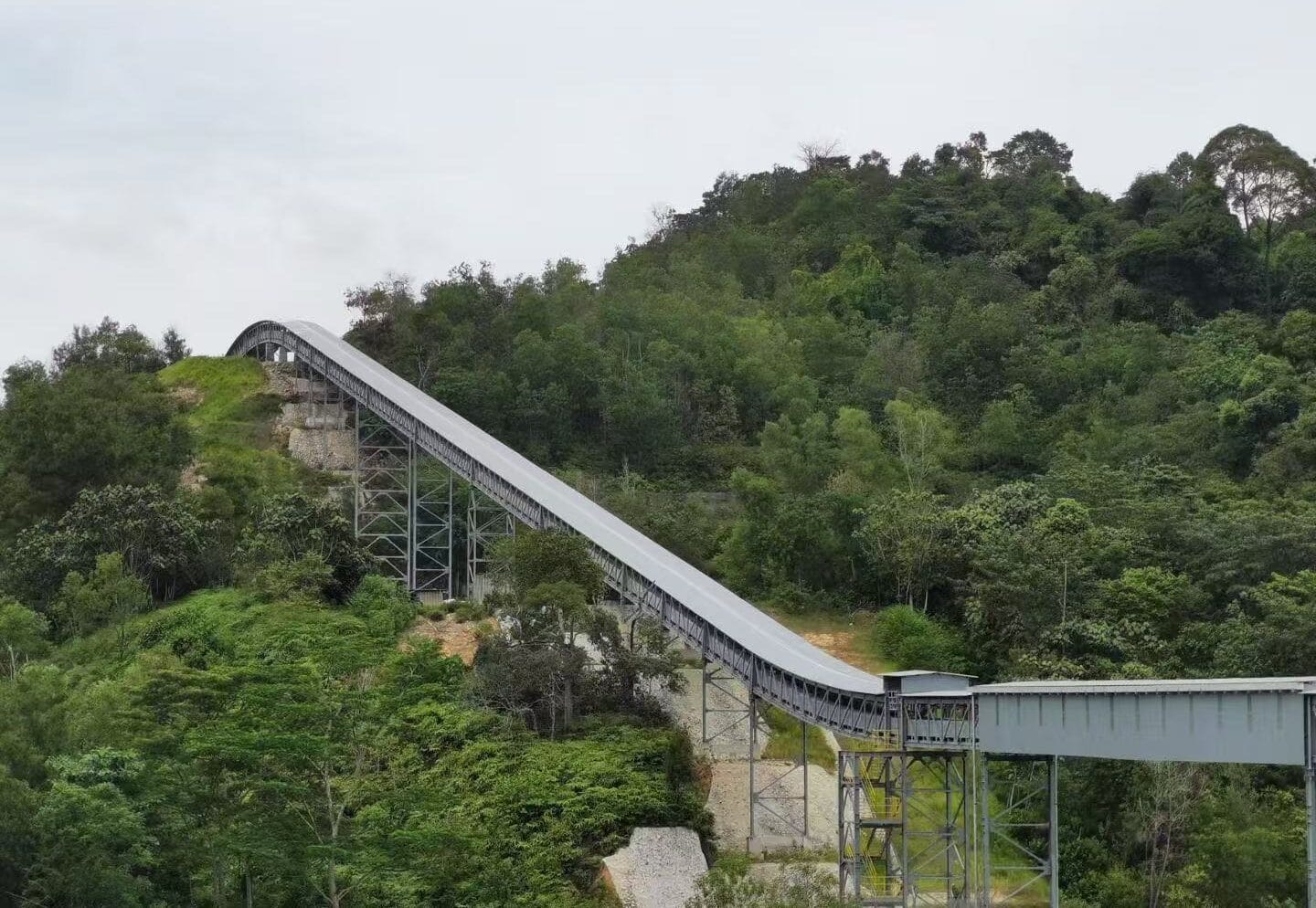
Long-distance belt conveyors are designed to transport bulk materials over distances ranging from several hundred meters to several kilometers.
Key Features
Typical Applications
Compared with truck transportation, long-distance belt conveyors significantly reduce transportation costs and carbon emissions.
A radial stacking conveyor rotates around a central pivot, automatically building large stockpiles without requiring frequent loader operation.
Key Features
Typical Applications
Traveling distribution conveyors move along rails to distribute materials evenly across multiple storage locations.
Key Features
Typical Applications
Mobile belt conveyors provide flexible material handling for temporary projects or operations requiring frequent relocation.
Key Features
Typical Applications
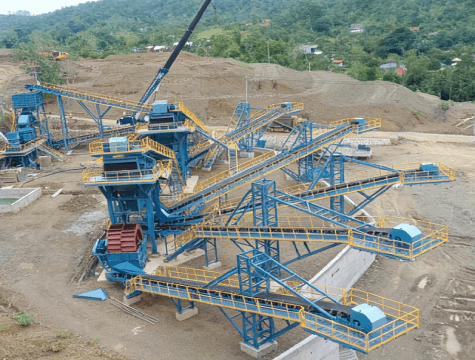
These conveyors are specifically designed to connect feeding, crushing, screening, and stockpiling equipment in crushing and screening plants.
Key Features
Typical Applications
Crushing plant conveyors work together with crushers, vibrating screens, and feeders to create an efficient material handling system. Proper conveyor layout plays a key role in maximizing plant productivity.
Related Reading: How to Design an Efficient Crushing and Screening Plant
These heavy-duty conveyors are designed for continuous bulk material handling at ports, railway terminals, and logistics centers.
Key Features
Typical Applications
Waste handling belt conveyors are designed for transporting construction waste, municipal solid waste, and recyclable materials.
Key Features
Typical Applications
Proper conveyor selection is especially important in recycling plants, where materials vary significantly in size, shape, and moisture content.
Related Reading: How to Reduce Material Spillage in Belt Conveyor Systems
When selecting a belt conveyor, consider the following factors:
Selecting the right conveyor system according to your operating conditions helps reduce initial investment, operating costs, and long-term maintenance expenses.
Related Reading: How to Choose the Right Belt Conveyor for Your Project
Runhang provides complete bulk material conveying solutions for the mining, aggregate, cement, and material handling industries.
Our product range includes:
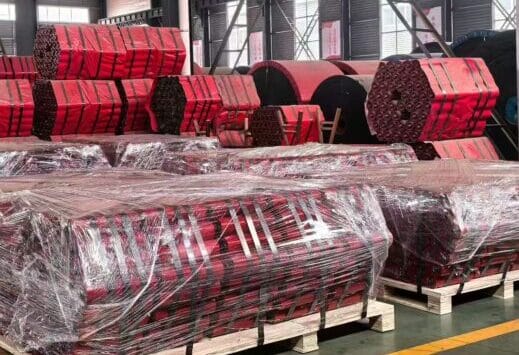
We also supply a full range of conveyor components, including:
Based on your material characteristics, conveying capacity, site conditions, and project requirements, Runhang provides customized conveying solutions designed to maximize efficiency, reduce maintenance costs, and ensure reliable long-term operation.
In addition to conveyor systems, Runhang also provides complete crushing and screening solutions, helping customers build integrated aggregate production lines from material feeding to finished product stockpiling.
Related Reading: How to Design an Efficient Crushing and Screening Plant
Each type of belt conveyor offers unique advantages and is designed for specific operating conditions. Selecting the right conveyor requires careful consideration of material properties, conveying distance, plant layout, production capacity, and environmental requirements.
A properly designed conveyor system not only improves material handling efficiency but also reduces operating costs, minimizes maintenance requirements, and enhances the overall performance of the production line.
Whether you are planning a new crushing plant, upgrading an aggregate production line, or designing a large-scale bulk material handling system, choosing the appropriate belt conveyor is a key factor in achieving long-term operational success.