Whether you operate a jaw crusher, cone crusher, or impact crusher, performing a standardized daily inspection before startup is one of the most effective ways to ensure production safety, improve equipment reliability, and reduce unexpected downtime.
Many crusher failures do not occur suddenly. Instead, they develop gradually from minor issues such as insufficient lubrication, loose bolts, worn wear parts, or hydraulic system abnormalities. A routine pre-start inspection helps identify these problems early, reducing maintenance costs and extending equipment service life.
This article provides a practical daily crusher inspection checklist to help operators complete pre-start inspections quickly and keep crushing equipment running safely and efficiently.
Crushers operate continuously under heavy-duty conditions in mining, aggregate production, cement plants, and construction waste recycling facilities.
During operation, equipment is constantly exposed to:
Without routine inspections, these conditions may result in:
Spending just 10–15 minutes on daily inspections can significantly reduce maintenance costs and prevent expensive repairs.
Related Reading:
Preventive Maintenance Plan for Crushing and Screening Plants
Proper lubrication is essential for reliable crusher operation.
Inspect the following:
Any lubrication issue should be corrected before startup.
Bearings are among the most critical and wear-prone components.
Check for:
If abnormal bearing temperatures or noises are detected, stop the machine immediately for further inspection.
Inspect all wear components before startup.
These include:
Check for:
Worn crushing parts reduce production efficiency and increase energy consumption.
Related Reading:
Common Jaw Crusher Problems and How to Fix Them
Check the entire power transmission system, including:
Replace damaged belts or adjust belt tension as required.
(Applicable to cone crushers and other hydraulic equipment)
Inspect:
Abnormal pressure fluctuations may indicate faults in hydraulic components.
Continuous vibration can loosen bolts over time.
Inspect:
Retighten all bolts according to the manufacturer’s recommended torque specifications.
Safety inspections should never be overlooked.
Verify that:
Never operate the crusher if any safety protection devices are missing or damaged.
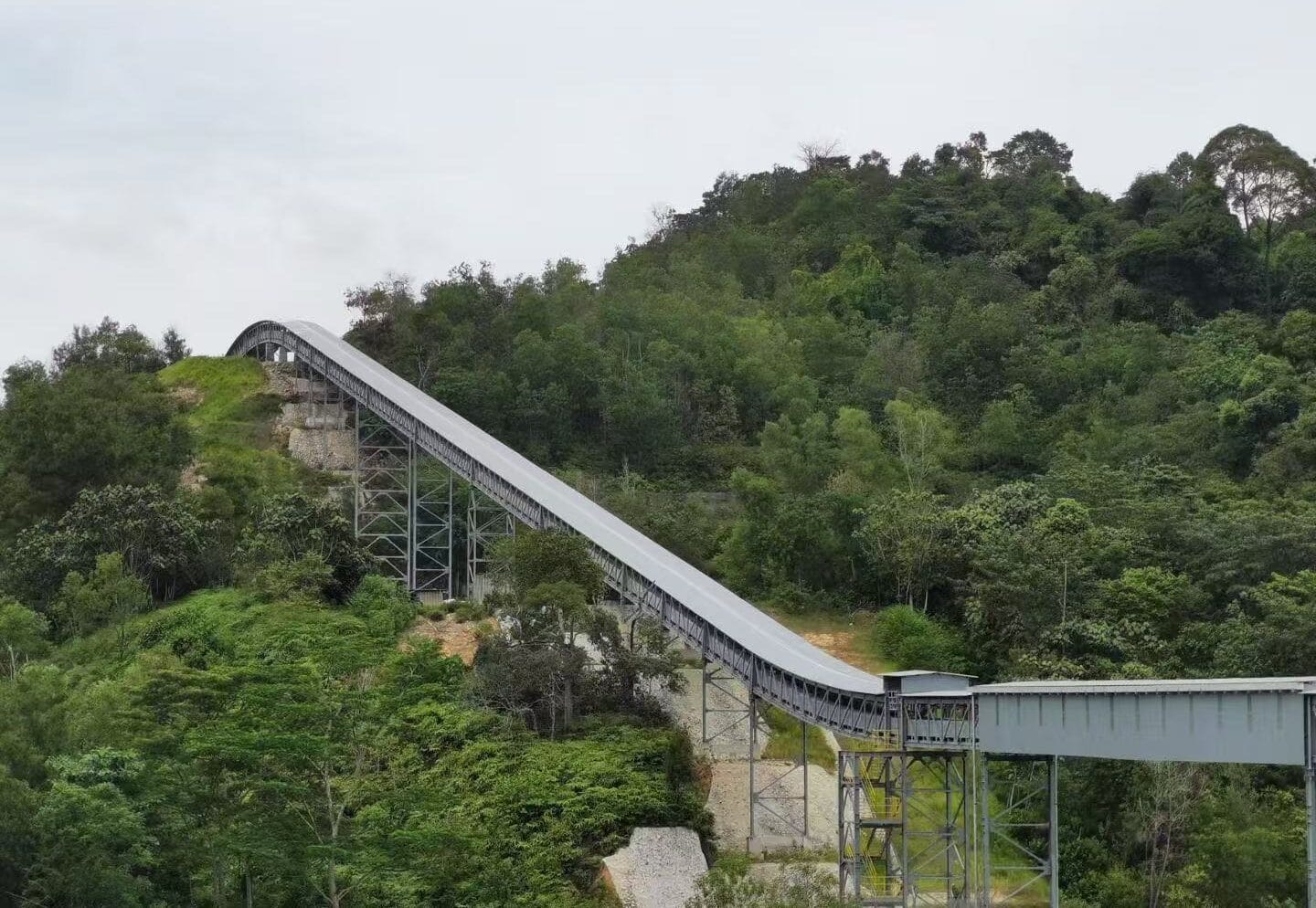
Most crushers work together with belt conveyors.
Inspect:
A poorly maintained conveyor system will directly affect crushing plant productivity.
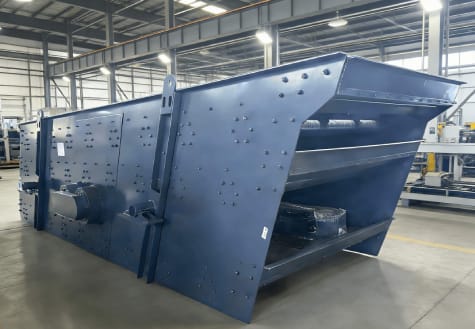
If the production line includes vibrating screens, inspect:
Ensure that the crushing, screening, and conveying systems operate together efficiently.
Related Reading: Common Vibrating Screen Problems and Solutions
Before startup, confirm that:
A clean working environment significantly improves operational safety.
After startup, operators should continuously monitor:
If any abnormal condition is detected, stop the equipment immediately and identify the cause before restarting.
Related Reading: How to Control Noise Pollution in Crushing Plants
To improve equipment management, every inspection should be documented.
A standard inspection record should include:
Historical inspection data helps identify recurring issues and supports predictive maintenance planning.
As a professional manufacturer of crushing and screening equipment, Runhang supplies:
By implementing standardized inspection procedures, preventive maintenance programs, and timely replacement of wear parts, customers can significantly reduce equipment failures, extend service life, and improve production efficiency.
A daily crusher inspection requires only a few minutes but plays a vital role in maintaining safe, reliable, and efficient crushing operations.
A comprehensive inspection should cover lubrication systems, bearings, wear parts, drive systems, hydraulic systems, safety devices, conveyors, and auxiliary equipment.
When combined with preventive maintenance, routine inspections help minimize unexpected downtime, reduce maintenance costs, improve production efficiency, and maximize the service life of crushing equipment.