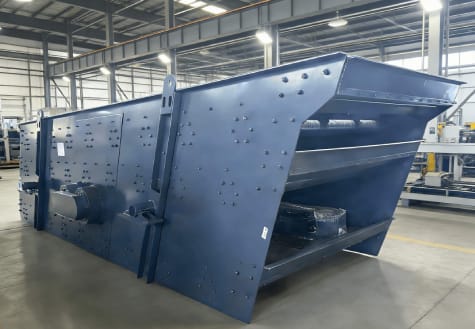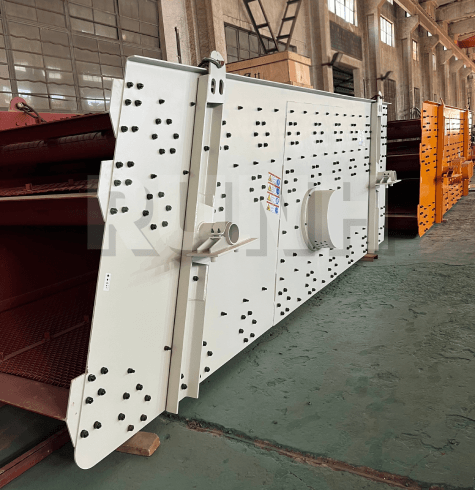
The jaw crusher is a key primary crushing machine used in mines, quarries, and aggregate production lines, and is widely employed for the primary crushing of materials such as granite, basalt, limestone, and river pebbles.
As the equipment is constantly subjected to:
improper maintenance can easily lead to issues such as material blockages, bearing overheating, jaw plate wear, and abnormal vibrations; in severe cases, this may even result in the shutdown of the entire production line.
It is therefore essential to understand the common faults associated with jaw crushers and their solutions to improve production efficiency and reduce maintenance costs. It is therefore essential to understand the common faults associated with jaw crushers and their solutions to improve production efficiency and reduce maintenance costs.
The working principle of a jaw crusher is as follows:
👉 The moving jaw plate periodically squeezes the material to crush it
During prolonged operation:
All of these factors can lead to a decline in equipment performance.
In addition:
These are also major causes of faults.
Symptoms:
Equipment may shut down suddenly
Common causes include:
Solutions:
✔ Ensure a uniform and continuous feed rate
✔ Adjust the discharge opening size
✔ Avoid concentrated inflows of wet material
✔ Check the operating condition of the vibrating feeder
✔ Keep the downstream conveying system clear
Symptoms:
Causes:
Solutions:
✔ Regularly inspect jaw plate wear
✔ Flip or replace jaw plates promptly
✔ Use high-manganese steel wear-resistant jaw plates
✔ Maintain even, central feeding
For example, the Runhang jaw crusher features a high-wear-resistance jaw plate design, which effectively extends service life.
Symptoms:
Causes:
Solutions:
✔ Top up grease regularly
✔ Use the correct grade of grease
✔ Avoid mixing different types of grease
✔ Check bearing installation accuracy
✔ Control equipment load
Symptoms:
Causes:
Solutions:
✔ Check the foundation and fixing bolts
✔ Balance the flywheel
✔ Replace damaged bearings
✔ Maintain a steady and even feed rate
✔ Inspect the eccentric shaft regularly
Symptoms:
Causes:
Solutions:
✔ Adjust the discharge opening size
✔ Replace worn jaw plates
✔ Maintain a stable and continuous feed rate
✔ Check the operating condition of the drive system
Symptoms:
Causes:
Solutions:
✔ Control the feed rate
✔ Clear the blockage
✔ Adjust belt tension
✔ Check bearing condition
✔ Prevent oversized material from entering
Symptoms:
Causes:
Solutions:
✔ Tighten the flywheel connection
✔ Check for wear on the keyway
✔ Replace damaged parts
Symptoms:
Causes:
Solutions:
✔ Check all connections
✔ Replace damaged bearings
✔ Tighten the lining plates and bolts
✔ Shut down the machine and inspect the internal structure
Causes:
Solutions:
✔ Avoid prolonged operation under excessive load
✔ Regularly inspect the condition of the eccentric shaft
✔ Ensure the lubrication system is functioning correctly
✔ Use high-quality original manufacturer parts
Regular inspections:
A steady feed rate helps to:
✔ Reduce impact loads
✔ Minimise blockages
✔ Improve crushing efficiency
✔ Reduce energy consumption
Material exceeding the specified size limits can lead to:
These include:
Replacing them in good time can prevent more serious breakdowns.
To improve equipment reliability, we recommend the following:
✔ Check lubrication levels daily
✔ Clear any residual material from the crushing chamber
✔ Check the belt tension
✔ Check bearing temperatures regularly
✔ Check the motor’s operating condition
Proper maintenance can significantly extend the service life of the equipment.
Jaw crushers are typically used for:
They are usually followed by:
to form a complete crushing-and-screening system.
👉 Further reading:
How to Design an Efficient Crushing and Screening Plant
High-quality equipment typically features:
As a specialist manufacturer of mining equipment, Runhang offers high-performance jaw crushers and comprehensive crushing and screening solutions to help customers achieve stable and efficient production.
Jaw crushers play a crucial role in crushing operations within mining and aggregate production lines. By identifying and resolving common issues promptly, it is possible to effectively:
✔ Improve production efficiency
✔ Reduce downtime
✔ Extend equipment lifespan
✔ Reduce maintenance costs
Establishing a sound maintenance and management system is key to ensuring the long-term, stable operation of crushing production lines.