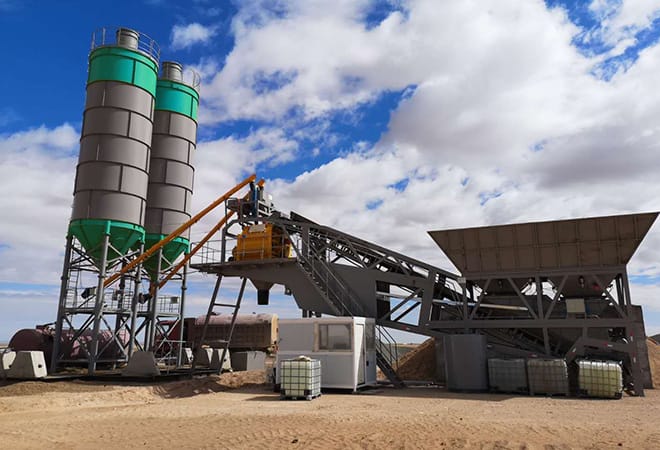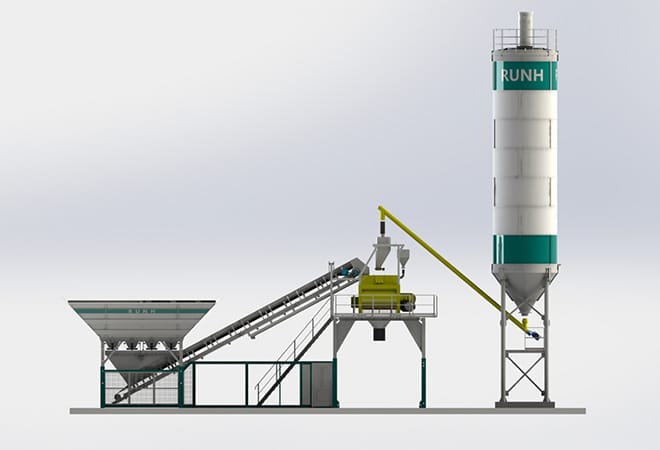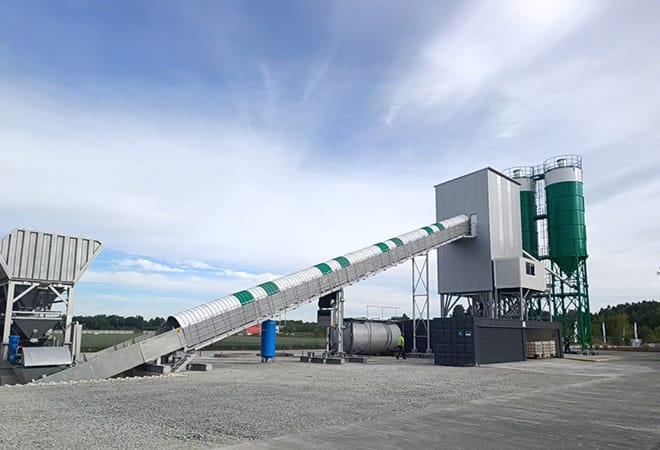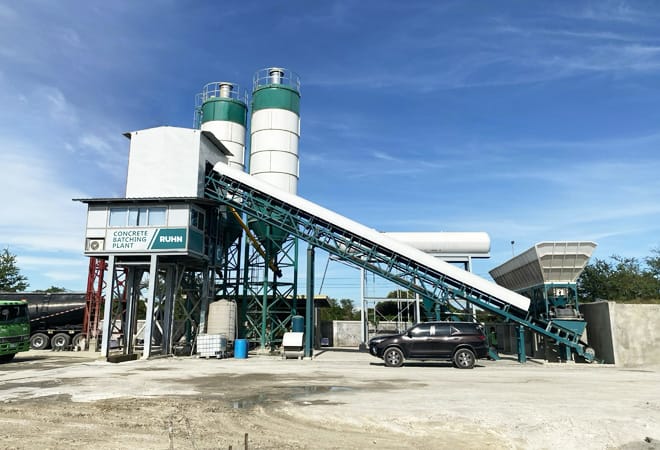
Within the burgeoning construction industry, concrete batching plants serve as the core equipment for achieving efficient, high-quality concrete production. Whether construction contractors seek to optimise internal concrete supply processes or entrepreneurs venture into the ready-mixed concrete business, understanding the cost structure of concrete batching plants is paramount. The pricing of such equipment is not a fixed figure but is determined by multiple factors, including equipment specifications, production capacity, site location, and operational requirements. As an industry equipment manufacturer, Runhang specialises in the research, development, production, and comprehensive solutions for concrete batching plants. We recognise that the foremost question on our clients’ minds is typically:
“What is the price of a concrete batching plant?”
In reality, the cost of a batching plant fluctuates based on configuration, capacity, site conditions, functional requirements, and other variables. To assist you in planning your budget and selecting equipment more effectively, Runhang provides a professional analysis of the key factors influencing concrete batching plant costs in this article.
The greater the capacity of a concrete batching plant, the larger the equipment volume, the higher the steel consumption, the more robust the power system, and the greater the material storage capacity — all of which naturally drive up the price.
Common Capacity Ranges and Characteristics for Runhang:
| Model | Capacity Range | Suitable Applications | Price Characteristics |
| HZS25–HZS50 | 25–50 m³/h | Minor works, rural development, and infrastructure projects | Lower cost, quicker installation |
| HZS60–HZS90 | 60–90 m³/h | Medium-sized ready-mixed concrete plants, building contractors | High value for money, highest demand |
| HZS120–HZS180 | 120–180 m³/h | Ready-mixed concrete enterprises, large-scale infrastructure projects | High investment but stable output |
| Over 200 m³/h | Specific major projects | Custom requirements | Pricing is subject to project design |
For every 20–30 m³/h increase in production capacity, the scale of the main unit, steel structure, power system, and material storage system all escalate, typically resulting in a significant rise in overall costs.
It is worth noting that actual production efficiency is further influenced by factors such as raw material supply, operator skill levels, and equipment maintenance. Even with the acquisition of high-capacity equipment, its full potential cannot be realised if supporting processes fail to keep pace.
The core configuration and performance metrics of a mixing plant are key factors influencing its price. Advanced configurations enhance production efficiency and concrete quality, though they also elevate equipment costs. The mixing main unit accounts for approximately 35%–45% of the plant’s total cost. Runhang offers multiple main unit models to meet diverse requirements.
Common Types:
✔ Runhang Twin-Shaft Mixer
✔ Runhang Planetary Mixer
✔ Single-shaft or simple mixer
The host machinery’s manufacturing process, wear-resistant component lifespan, and the brands of motors and gearboxes all influence the final quotation. More advanced mixing technology commands a higher price, yet it directly enhances concrete quality and production efficiency.
Different storage and conveying methods result in significant cost variations.
1) Aggregate Conveying Methods
Runhang offers two systems tailored to site conditions and budget:
(2) Number & Type of Cement Silos
(3) Aggregate Bin Configuration
High-specification systems feature:
Costs typically exceed the base system by 20%–40%, but deliver greater long-term operational stability and reduced labour expenses.
Differences in manufacturing expertise constitute a significant factor in price variations.
As a manufacturer, Runhang upholds rigorous standards in the following areas:
High-quality manufacturing entails higher initial equipment costs, yet delivers extended service life and reduced maintenance expenses.
Transportation and site conditions in different regions may also impact the project’s total investment.
Including:
Runhang offers modular designs and Quick-Install plant configurations, effectively reducing installation time and labour requirements. Additionally, site costs must be considered; in city centres or economically developed regions, land leasing or acquisition costs are prohibitively high, with site expenses for fixed-type mixing plants potentially exceeding those in suburban areas by several times. Labour costs and equipment installation fees are also comparatively higher in these locations.
The following factors will result in increased pricing:
Runhang supports engineering-grade customisation, enabling more precise production solutions for clients.
When planning investments in concrete batching plants, a sound cost control strategy not only reduces initial outlay but also significantly minimizes long-term operational expenditure. The following recommendations can assist enterprises in enhancing their return on investment (ROI).
Selecting the appropriate type and capacity of concrete batching plant based on project scale, concrete requirements, and future business plans is the first step towards reducing costs.
Accurately assess requirements to avoid indiscriminately selecting high-capacity equipment, thereby effectively reducing idle resources and unnecessary additional costs. Strengthen operational management.
The operational phase is central to cost control, where systematic management can substantially minimise consumption and downtime losses.
✔ Optimise raw material usage
Reasonably controlling raw material ratios and reducing waste directly lowers concrete manufacturing costs.
✔ Establish a comprehensive equipment maintenance plan
Effective maintenance extends equipment lifespan and prevents production losses from unexpected shutdowns.
✔ Enhancing Operator Skills
Training proficient operators markedly improves equipment efficiency, minimises material discrepancies and operational wastage, thereby reducing unit concrete costs.
The more standardised the operational management, the higher the overall return on investment.
For clients with limited budgets or short project timelines, second-hand mixing plants may serve as viable alternatives.
However, note the following:
Avoid excessive future repair expenses due to equipment ageing.
Choose Runhang for a genuinely cost-optimised solution
Runhang tailors designs to your budget, project scale, construction timeline, and future plans:
Minimise overall investment while maintaining production capacity, achieving superior ROI.
If you have a limited budget but require rapid deployment:
If you seek stable yields and long-term investment returns:
If you are a precast component manufacturer or require high-end concrete:
The cost of a concrete batching plant is influenced by multiple factors, including production capacity, equipment type, configuration, brand, and geographical location. When making investments, enterprises must comprehensively evaluate their operational requirements and financial standing to conduct thorough cost analysis. Simultaneously, through scientific procurement strategies and operational management, costs can be effectively controlled, thereby enhancing the return on investment for the equipment. Whether opting for new or second-hand equipment, and regardless of whether a stationary or mobile plant is selected, only choices that align with an organisation’s developmental requirements can maximise economic benefits within the fiercely competitive market.
Should you require:
Please provide the following details: