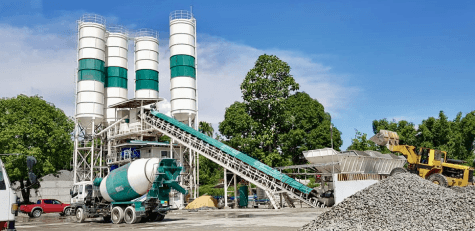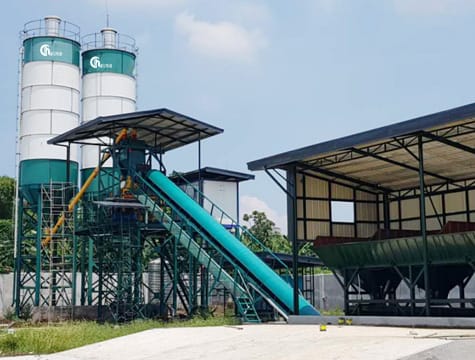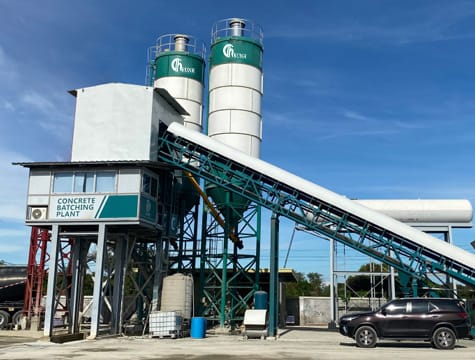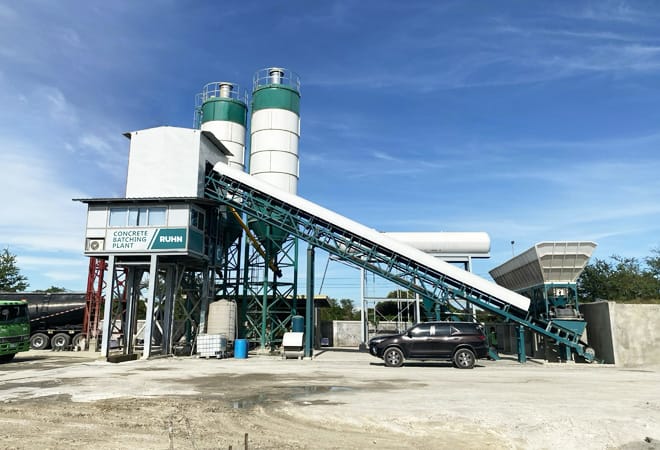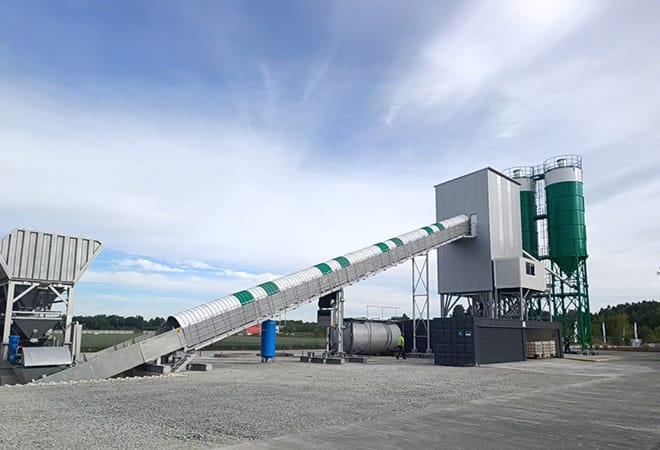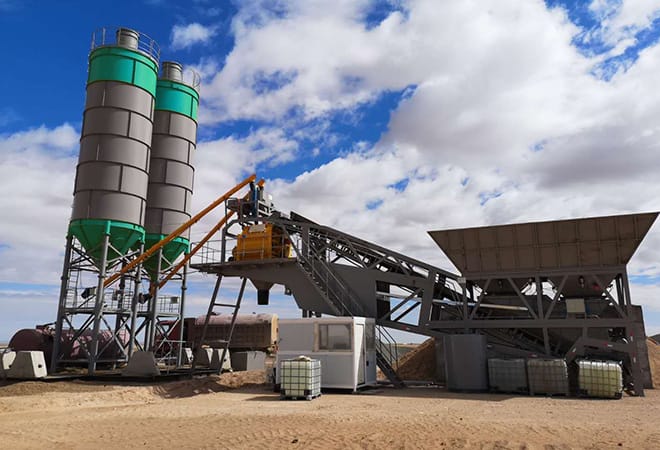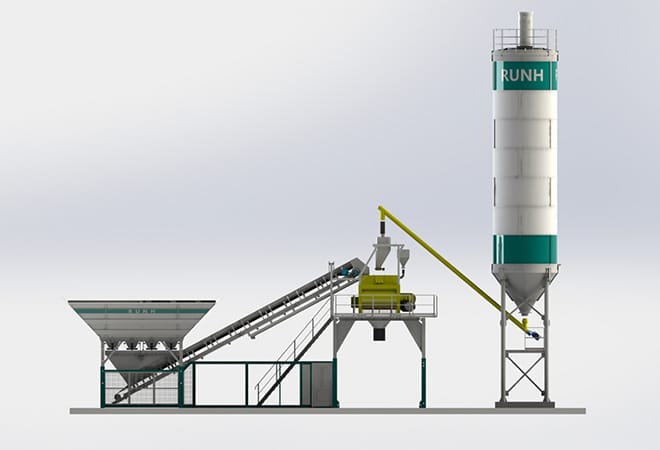
In modern construction projects, the quality of concrete directly affects the safety, durability, and overall construction quality of the structure. Whether it be bridges, motorways, or large-scale building projects, a stable and reliable supply of concrete is essential.
Concrete batching plants enable the large-scale production of concrete through precise measurement, automated control, and efficient mixing. However, during the actual production process, concrete quality is subject to a variety of factors, such as the quality of raw materials, the accuracy of batching, the performance of mixing equipment, and the production environment.
Understanding these key factors helps to improve concrete production efficiency and ensure consistent concrete quality.
Raw materials are the most fundamental factor affecting the quality of concrete. Concrete is typically composed of the following materials:
If the quality of raw materials is inconsistent, it is difficult to produce high-quality concrete, even with the best equipment. For example:
Therefore, during the concrete production process, raw materials must be rigorously tested, and it must be ensured that the storage environment for these materials meets the required standards.
If you would like to learn about the complete process of concrete production, please read:
What Is a Concrete Batching Plant and How Does It Work?
Accurate mixing proportions are crucial during the concrete production process. Concrete mix designs are typically determined by the engineering design; if measurement errors occur during production, this may lead to changes in the concrete’s performance.
For example:
Modern batching plants are usually equipped with automatic weighing systems, which can precisely control the weight of each material, thereby reducing human error.
For instance, the Runhang concrete batching plant employs an intelligent control system and high-precision measuring equipment, effectively ensuring the accuracy of concrete batching and thereby improving the consistency of concrete quality.
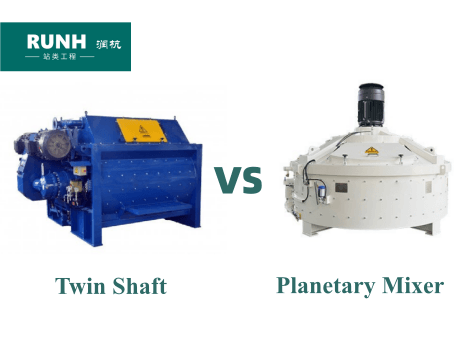
Mixers are the core equipment of concrete batching plants, and their performance directly affects the uniformity of the concrete.
High-efficiency concrete mixers can:
Common types of mixers include:
These machines ensure that cement, aggregates, and water are thoroughly mixed, thereby improving the quality of the concrete.
For further information on the application of different mixing equipment in engineering projects, please refer to:
Crushing Plant Cost Breakdown: Equipment, Installation and Operation

The appropriate mixing time also affects the quality of the concrete. If the mixing time is insufficient, the materials will not be thoroughly blended; conversely, if the mixing time is too long, it may compromise the structural stability of the concrete.
Factors affecting mixing time include:
Modern automated control systems can set standard mixing times, ensuring consistent quality in every batch of concrete.
During long-term operation, the condition of the equipment can also affect the quality of concrete production. If equipment maintenance is inadequate, this may lead to:
Therefore, the batching plant requires regular equipment inspections, including:
Proper equipment maintenance can extend the service life of the equipment and improve production stability.
If you would like to find out about the installation cycle for a concrete batching plant, please read:
Installation Timeline for a Concrete Batching Plant

The production environment also affects the quality of concrete. For example, fluctuations in temperature and humidity can influence the hydration reaction of concrete.
For example:
Therefore, when producing concrete under extreme weather conditions, appropriate technical measures must be taken, such as adjusting the mix design or controlling the temperature of the materials.
During the production process at a concrete batching plant, the quality of the concrete is primarily influenced by the following factors:
By selecting high-quality equipment, optimising production processes, and enhancing equipment maintenance, the quality of concrete production can be significantly improved.
As a specialist manufacturer of construction machinery, Runhang is committed to providing customers worldwide with high-performance concrete batching plants, crushing lines, and conveying equipment, helping them achieve stable and efficient concrete production.
The quality of raw materials and the accuracy of the mix design are the two most important factors affecting concrete quality. If the quality of the materials is inconsistent or the mix proportions are inaccurate, this will directly affect the strength and durability of the concrete.
If the mixing time is too short, the concrete will not be mixed evenly; if it is too long, it may affect the structural stability of the concrete. An appropriate mixing time can improve the uniformity and strength of the concrete.
The following measures can be taken to improve concrete quality: