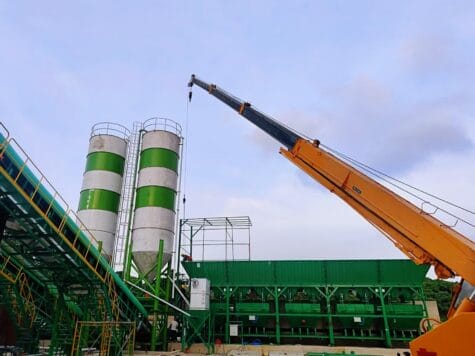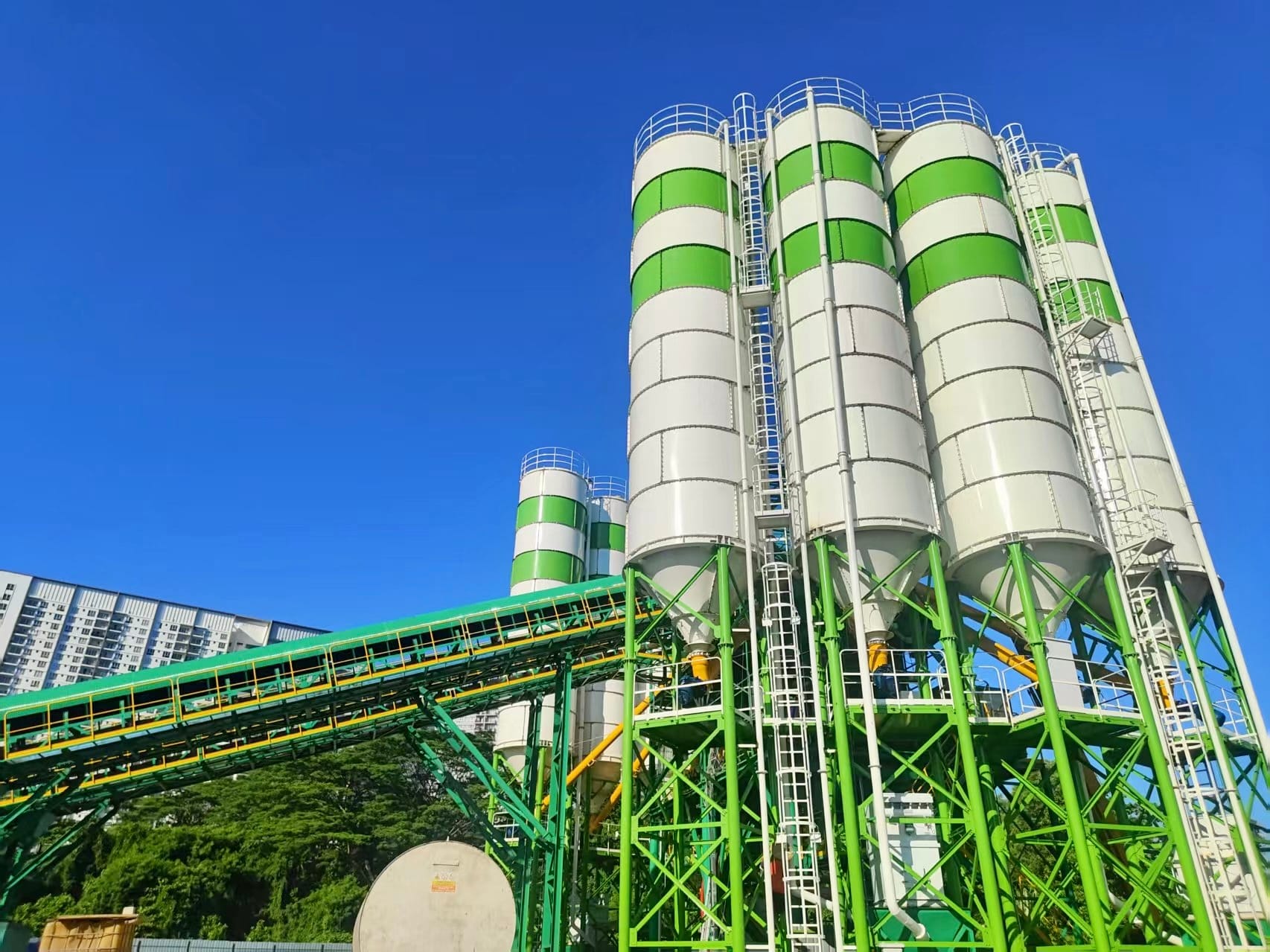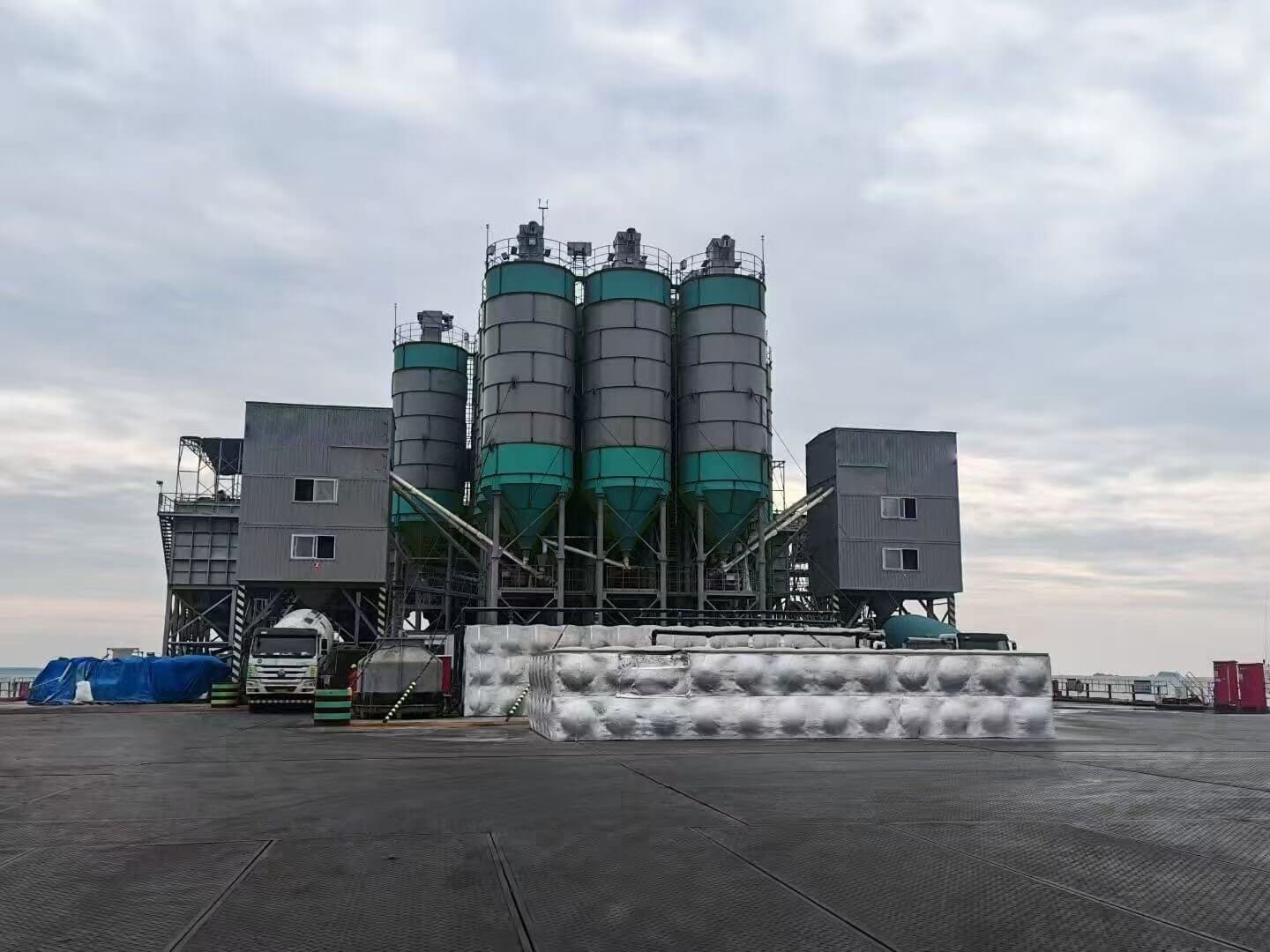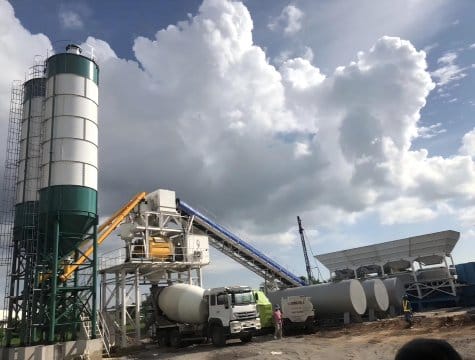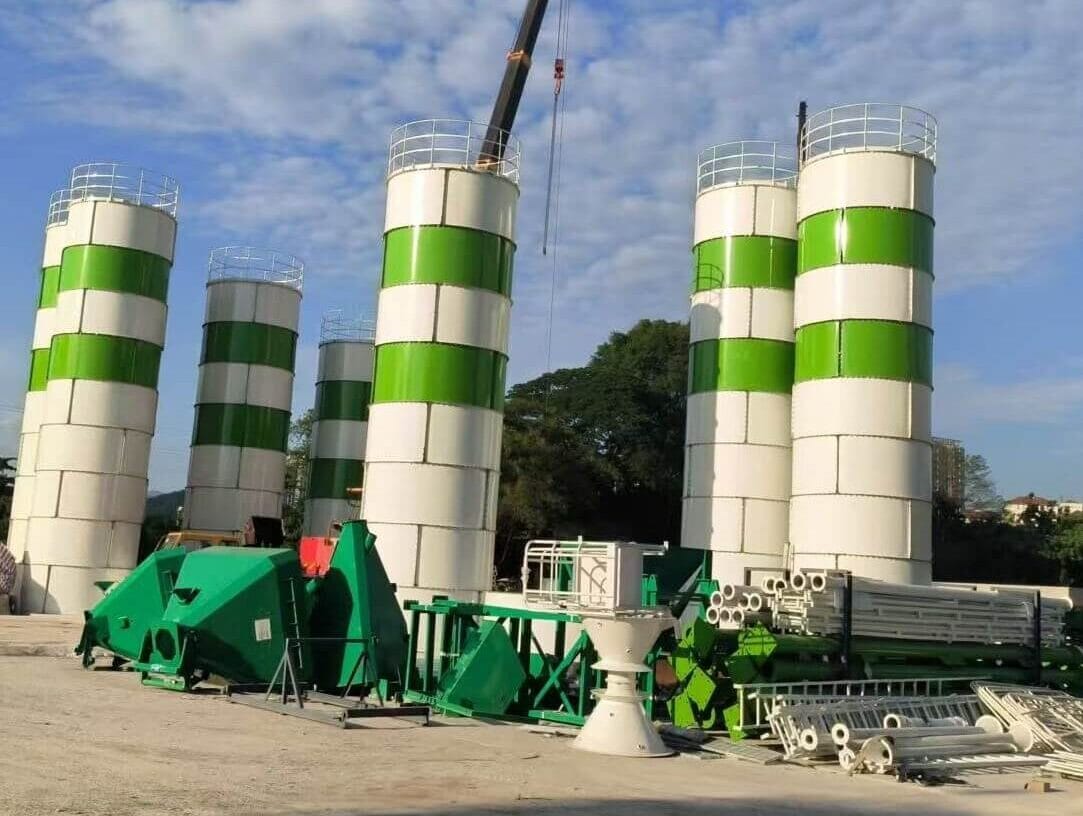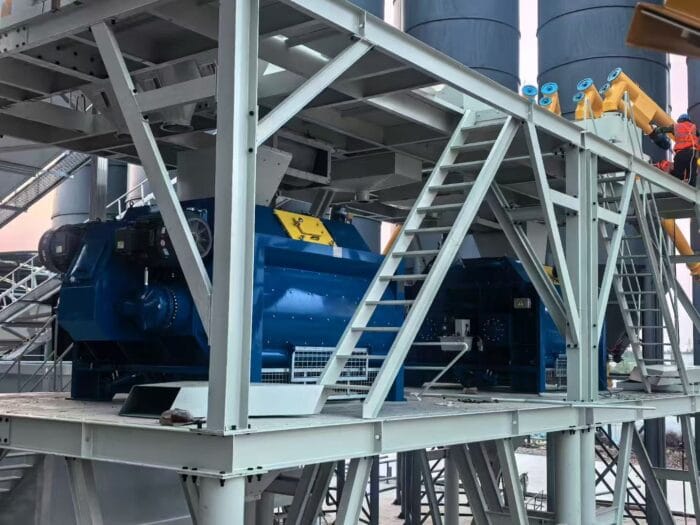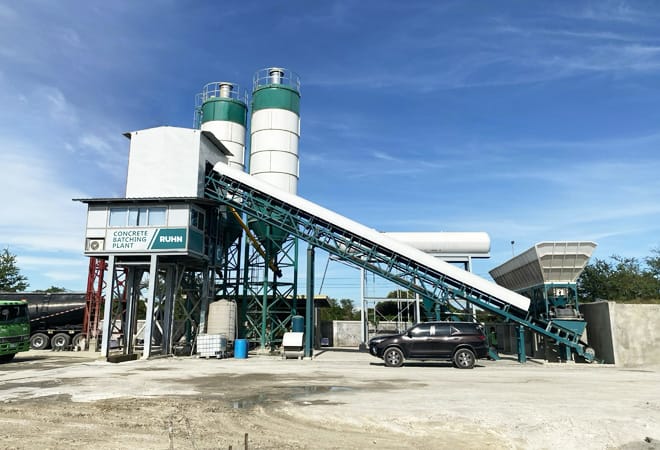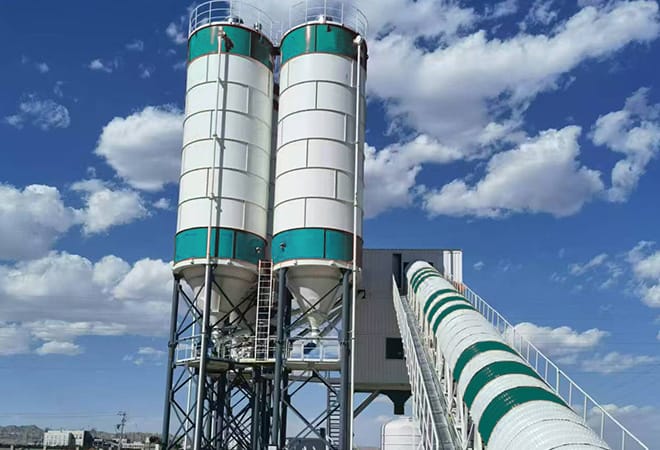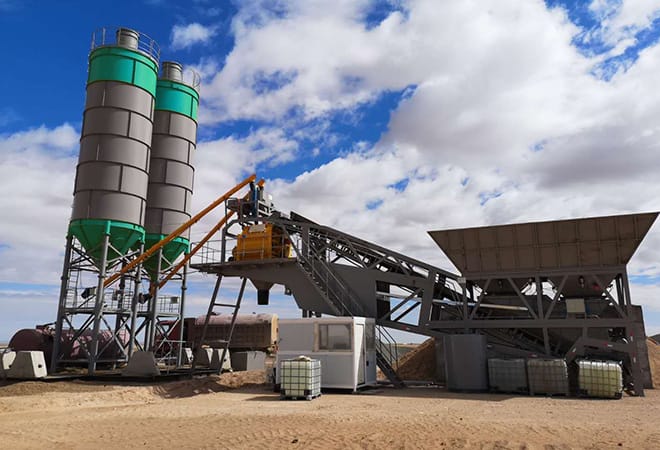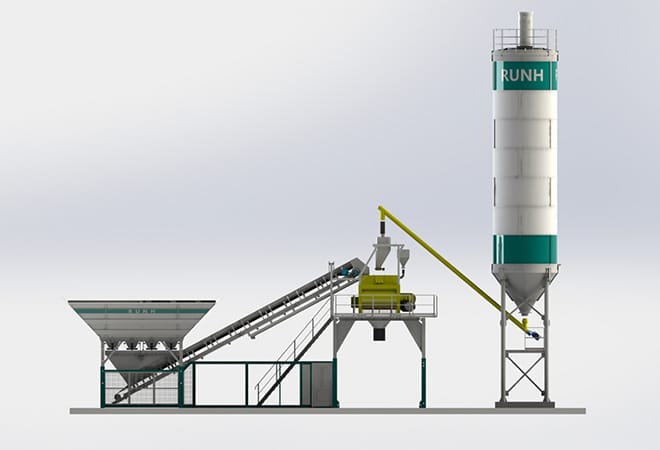
Cement silos are widely used in concrete batching plants, dry mortar production lines, and bulk powder storage systems. Their primary function is to safely store materials such as cement, fly ash, and mineral powder while ensuring a continuous and reliable supply to the production process.
However, during long-term operation, many facilities encounter issues such as silo blockages, bridging, ratholing, dust collector failures, abnormal pressure, inaccurate level readings, and even structural deformation. These problems can reduce production efficiency, increase maintenance costs, and create serious safety risks.
Drawing on practical industry experience, this article examines the most common cement silo problems, their causes, and effective solutions to help operators improve equipment reliability and extend service life.
In concrete batching plants and powder storage systems, the most frequently reported cement silo issues include:
Among these issues, material flow problems such as caking, bridging, and ratholing account for the majority of operational failures.
Possible sources include:
Once cement absorbs moisture, hydration reactions begin, causing the material to harden and form lumps.
Long-term storage may lead to:
To minimize these risks, operators should follow the First-In, First-Out (FIFO) inventory principle and avoid storing cement for extended periods.
✔ Maintain proper silo sealing
✔ Regularly inspect roof flanges and access covers
✔ Install moisture-resistant ventilation systems
✔ Periodically empty the silo
✔ Use fluidization devices to improve material flow
Many blockage problems are actually related to improper silo capacity selection. Oversized silos operating at low inventory levels for long periods are more likely to experience moisture absorption and material caking.
Related Reading: How to Choose Cement Silo Capacity
Bridging occurs when powder forms a stable arch above the discharge outlet. Although the silo appears full, material cannot flow downward.
Install de-arching equipment such as:
Additionally, optimizing the cone angle design can significantly improve material flow performance.
The silo cone design, support structure, and installation quality all influence discharge efficiency.
Related Reading: Cement Silo Installation and Safety Guide
Ratholing occurs when material flows only through the center of the silo while large quantities remain attached to the walls, creating a tunnel-shaped flow channel.
✔ Maintain consistent discharge rates
✔ Install fluidization systems
✔ Periodically activate vibrators
✔ Optimize internal silo geometry
Proper silo design is one of the most effective methods for preventing ratholing.
In severe cases, excessive pressure may deform the silo roof.
Air cannot be released effectively during pneumatic filling.
The filling pressure exceeds the silo’s design limits.
✔ Clean silo-top dust collectors regularly
✔ Inspect pulse-jet cleaning systems
✔ Calibrate pressure relief valves
✔ Control pneumatic conveying pressure
Proper operating procedures and employee training are also essential for silo safety management.
Excessive dust emissions during silo filling are usually associated with dust collector problems.
✔ Inspect filter cartridges monthly
✔ Replace damaged filter bags promptly
✔ Check pulse valve performance regularly
A properly maintained dust collection system helps reduce emissions while maintaining pressure balance inside the silo.
✔ Clean sensors regularly
✔ Recalibrate measurement systems
✔ Upgrade to radar level transmitters for improved accuracy
Modern radar-based systems provide more reliable level monitoring than traditional mechanical sensors.
During long-term operation, cement silos may experience:
✔ Inspect welds regularly
✔ Monitor foundation settlement
✔ Check support leg connections
✔ Perform routine anti-corrosion maintenance
Early detection can prevent costly repairs and improve overall silo safety.
Industry experience shows that more than 80% of cement silo failures can be avoided through preventive maintenance.
A well-planned maintenance program can significantly extend equipment life and reduce unexpected downtime.
As a professional manufacturer of concrete batching plant equipment, Runhang provides:
Runhang cement silos feature:
These features help minimize bridging, caking, dust emissions, and maintenance requirements while ensuring long-term stable operation.
Cement silos play a vital role in concrete production and bulk powder storage systems. However, issues such as caking, bridging, ratholing, dust leakage, abnormal pressure, and structural damage can significantly impact operational efficiency if not properly managed.
By implementing proper silo design, preventive maintenance programs, moisture control measures, and regular inspections, operators can prevent most common failures and maximize equipment reliability.
Investing in high-quality cement silo systems and adopting best maintenance practices not only reduces operating costs but also improves production efficiency and long-term safety.