Against the backdrop of accelerating global infrastructure construction and mining development projects, engineering equipment now demands higher standards for installation efficiency, transport convenience, and reusability. Traditional heavy equipment installations—characterized by lengthy cycles, extensive on-site welding, and difficult relocation—increasingly fail to meet the pace of modern engineering projects.
Modular design is emerging as a key development trend in the installation and dismantling of construction machinery. As a company specializing in comprehensive solutions for concrete batching plants, crushing and screening production lines, and conveying systems, Runhang remains committed to technological innovation. This drive aims to make equipment more efficient, flexible, and adaptable to international standards, delivering more effective and reliable solutions to our customers.
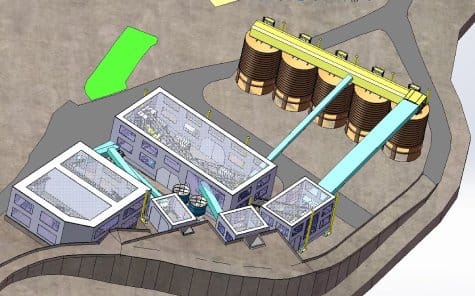
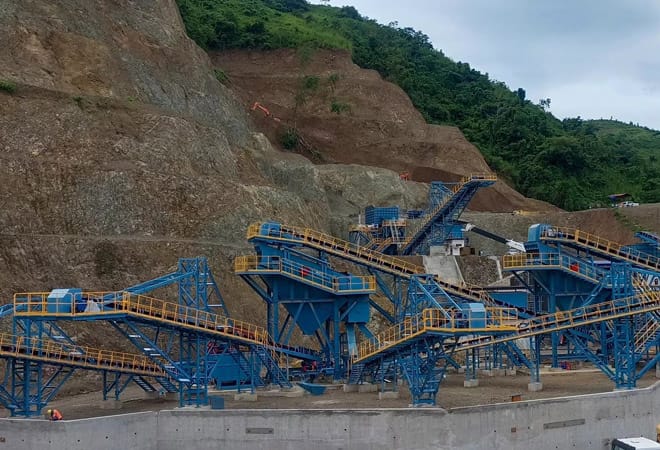
Modular design involves systematically dividing an entire set of equipment by function into independent standardized units. For example, in a crushing station:
These modules interconnect via standardized interfaces and can be independently manufactured, tested, maintained, and upgraded. Each module undergoes pre-assembly and pre-commissioning at the factory, enabling rapid on-site assembly upon arrival at the project location.
(Modular Functional Unit Schematic. The equipment can be efficiently deployed by connecting the power, feeding, conveying, and crushing core modules through standardized interfaces.)
Modular design offers significant advantages for construction machinery in multiple aspects, particularly in the installation and disassembly processes:
Traditional engineering machinery installation typically requires extensive on-site assembly work, including complex structural connections, wiring, and system commissioning. Modular design shifts most assembly tasks to a controlled factory environment through prefabrication and standardized interfaces. On-site operations are simplified to rapid docking and securing of prefabricated modules, reducing installation time by 30%–50%. Through optimized modular design and restructured installation processes, complexity is significantly reduced while efficiency is enhanced. These advantages are particularly pronounced for overseas EPC projects or remote mining operations.
Modular structural dimensions are designed to meet container shipping standards, enhancing container loading efficiency, reducing oversize/overheight transportation fees, and lowering shipping risks. Modular design minimizes on-site construction time, thereby cutting labor costs, equipment rental expenses, and site management fees. Additionally, factory production enables economies of scale, reducing manufacturing costs per module. Centralized material procurement and precise control also minimize waste.

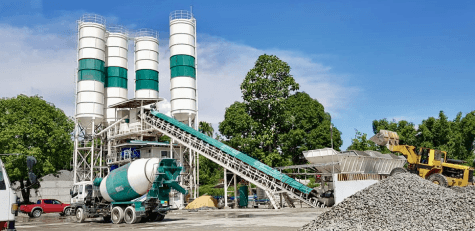
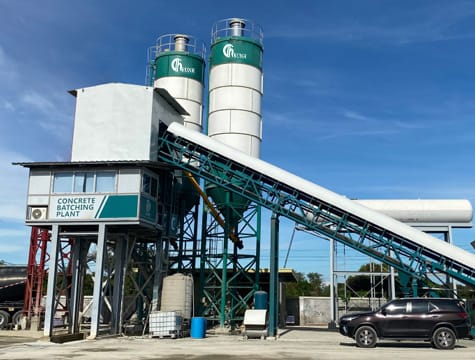
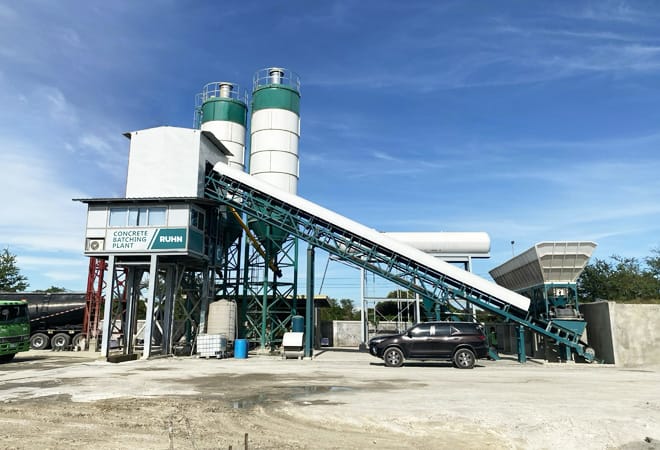
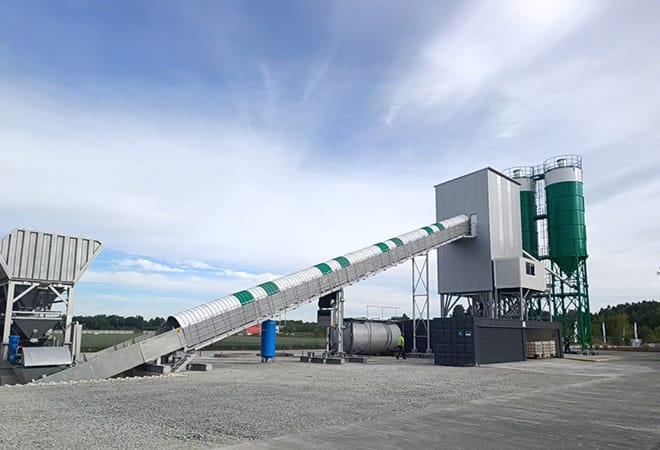
(The Runhang quick-install mixing station features a modular design, facilitating export transportation.)
Manufacturing and assembling modules in a factory environment enables better control over production quality and reduces human error. Simultaneously, relocating high-altitude work and complex operations to ground level or within factory facilities significantly lowers on-site construction risks and enhances operational safety.
Modular design facilitates easier maintenance and upgrades. When a module malfunctions, the damaged component can be swiftly replaced without overhauling the entire system. This flexibility also enables rapid reconfiguration and functional expansion to meet varying project requirements, extending equipment lifespan and boosting overall return on investment.
Factory prefabrication reduces the environmental impact of on-site construction, such as minimizing construction waste, dust, and noise pollution. Additionally, modular design facilitates material recycling and reuse, aligning with sustainable development principles.
Modular design has demonstrated its unique value across multiple engineering machinery sectors, aligning perfectly with Runhang’s product philosophy:
Port Machinery Equipment: Through functional modularization and standardized interfaces, rapid assembly, maintenance, and upgrades of equipment are achieved, effectively shortening the manufacturing cycle.
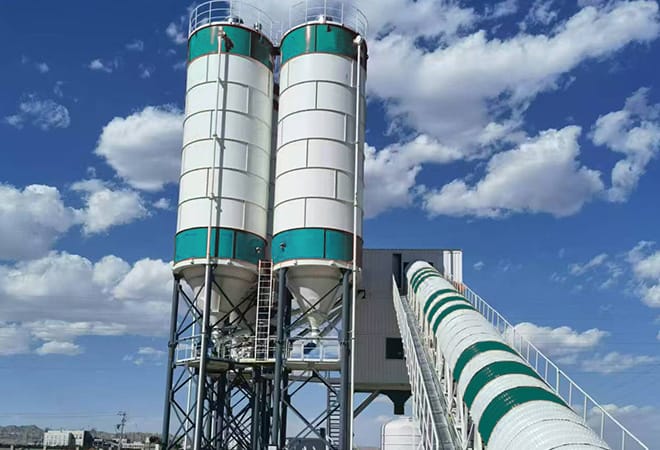
Concrete Batching Plant: Runhang’s modular concrete batching plant, with its rapid transportation, installation, and dismantling capabilities, is particularly suited for projects requiring frequent relocation, significantly enhancing construction flexibility and efficiency. For insights on further optimizing concrete batching plant operations, please refer to our previous article: How to Reduce Material Waste in Concrete Batching Plants.
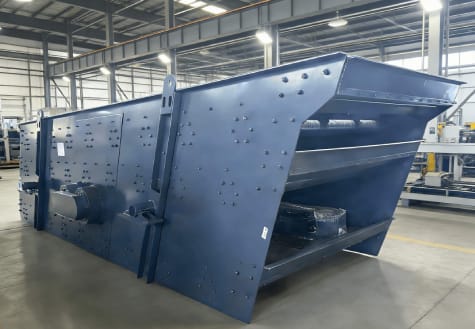
Crushing and Screening Equipment: Runhang actively implements modular design, enabling flexible configuration of different crushing chamber types and screen meshes for crushing stations and vibrating screens, based on varying material properties and production requirements, thereby enhancing production efficiency. If you encounter issues during vibrating screen operation, consult this practical guide: Common Vibrating Screen Problems and Solutions.
Conveyor System: Standardized frame sections, quick-mount idler assemblies, and modular drive units facilitate maintenance and replacement, reduce on-site commissioning time, and enhance system stability.
Despite its clear advantages, modularization also imposes higher demands:
Therefore, enterprises must possess mature engineering design capabilities and manufacturing experience.
With the deepening development of Industry 4.0 and smart manufacturing, the application of modular design in the construction machinery sector will exhibit the following trends:
Runhang will continue R&D upgrades in structural strength optimization, transportation standard design, and system stability to enhance global project service capabilities.
Modular design is not merely a technical approach but a systemic shift in thinking that is profoundly transforming how construction machinery is manufactured, installed, operated, and maintained. Runhang firmly believes that by continuously deepening our commitment to modular design principles and integrating them into our product development and production processes, we can deliver more competitive solutions to our customers. By enhancing efficiency, reducing costs, optimizing quality, and increasing flexibility, modular design undoubtedly represents the future trend for installing and dismantling construction machinery. It will pave the way for more efficient, intelligent, and sustainable development in the engineering construction industry.
If you are planning new construction or upgrading station-type projects, we welcome you to consult with the Runhang team for professional modular solution recommendations.